

How I Ran Sub-3 in Boston
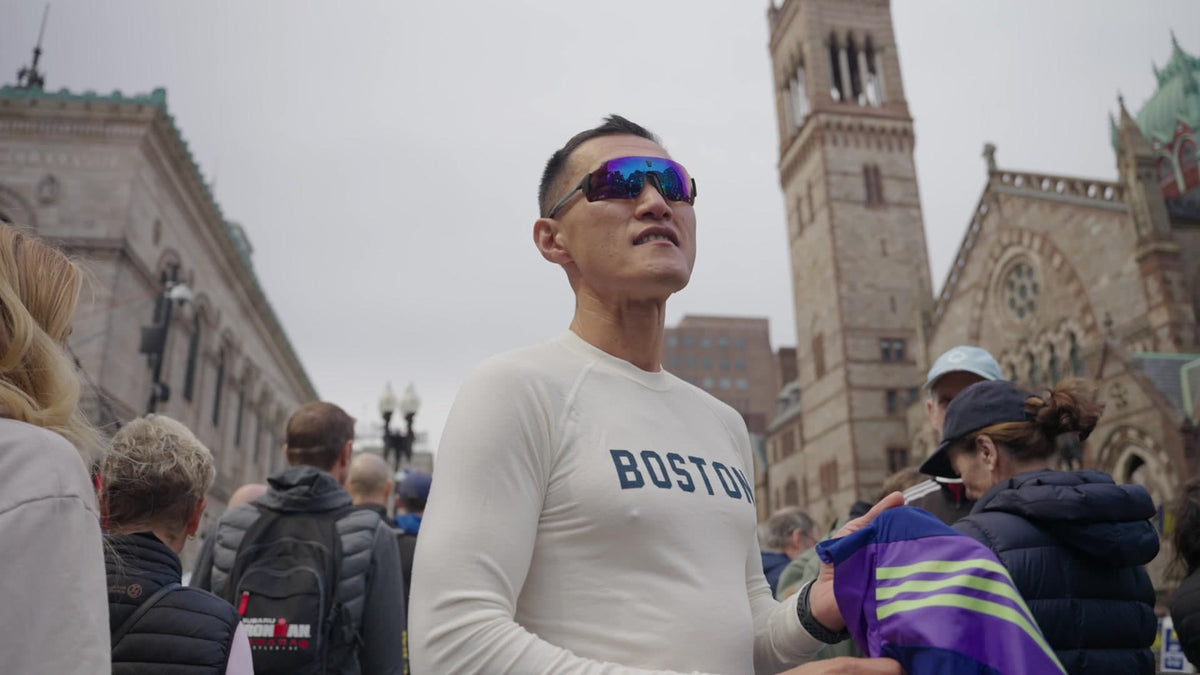
How I Ran sub-3:00 in Boston with ENGO
Like most competitive runners, the Boston Marathon has served as my North Star. Early on I built my running career around qualifying for that race. After gaining the competency and experience that helped me earn multiple race bibs, my attention shifted from not simply getting my BQ, but attaining specific performance goals.
For me, my holy grail became the elusive 3:00 hour barrier. Historically this has been the time that signifies you’re a “real” road runner, achieved by only 4% of those who toe a marathon starting line.

Could Technology Help?
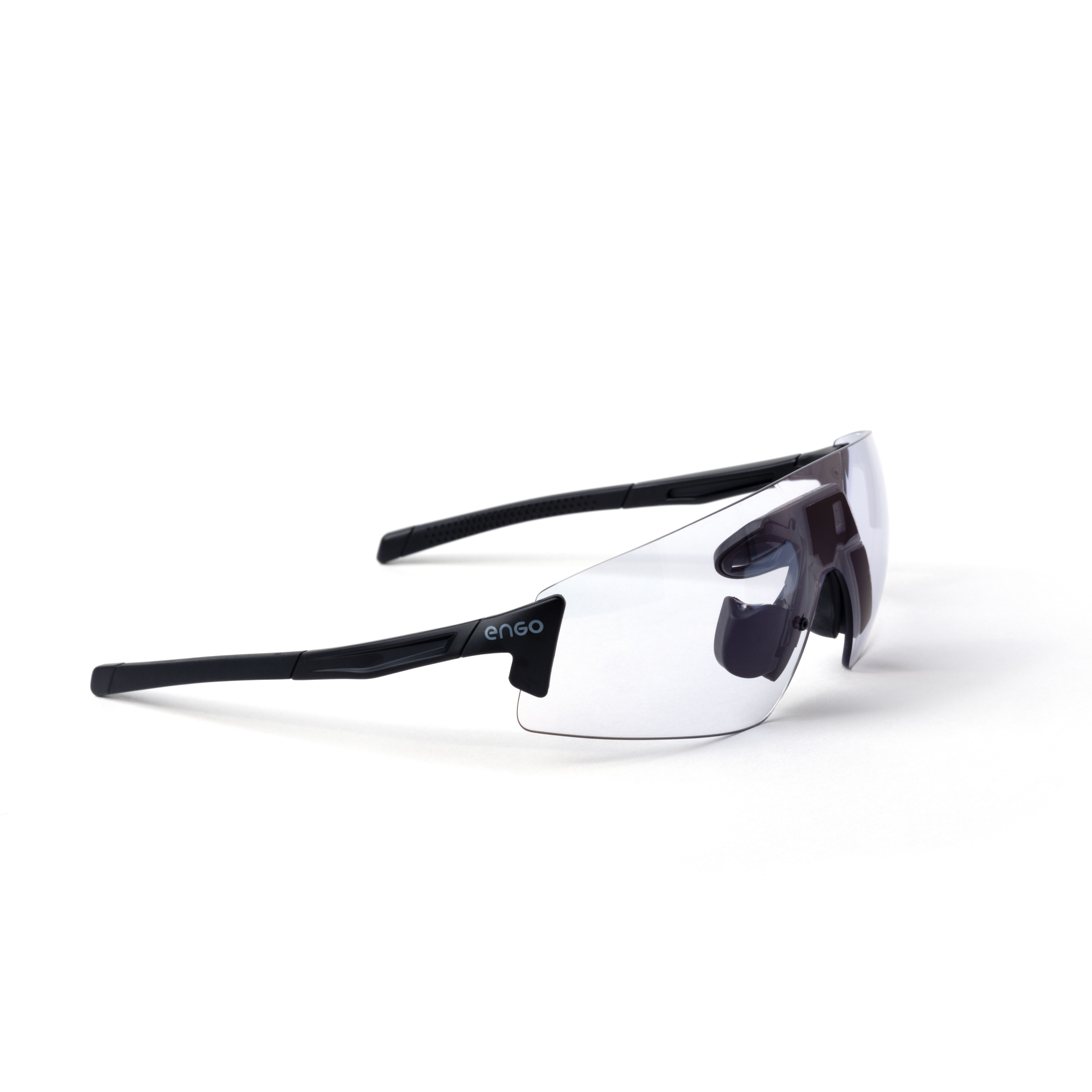
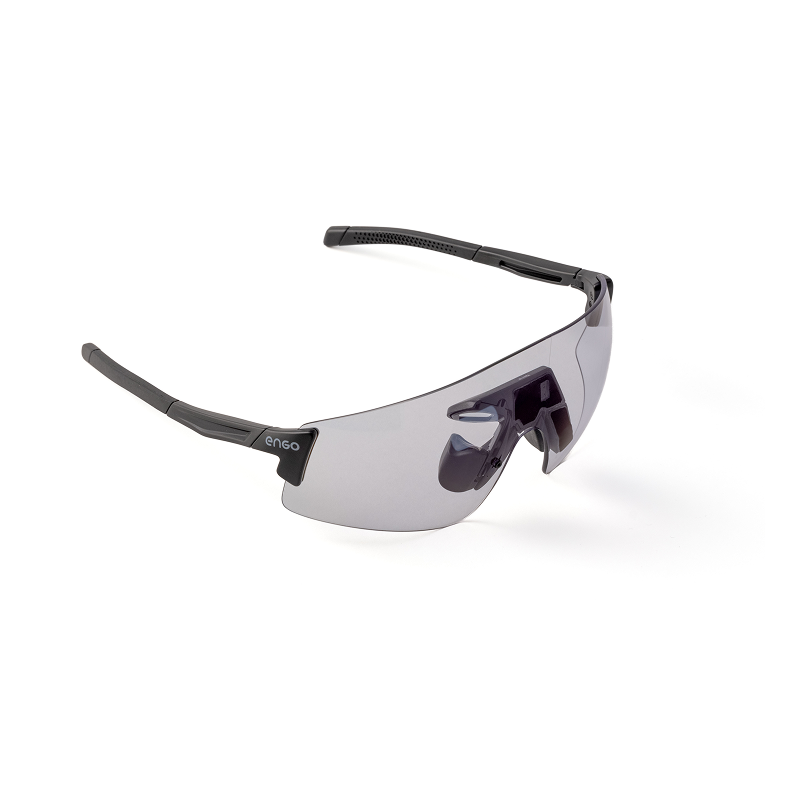
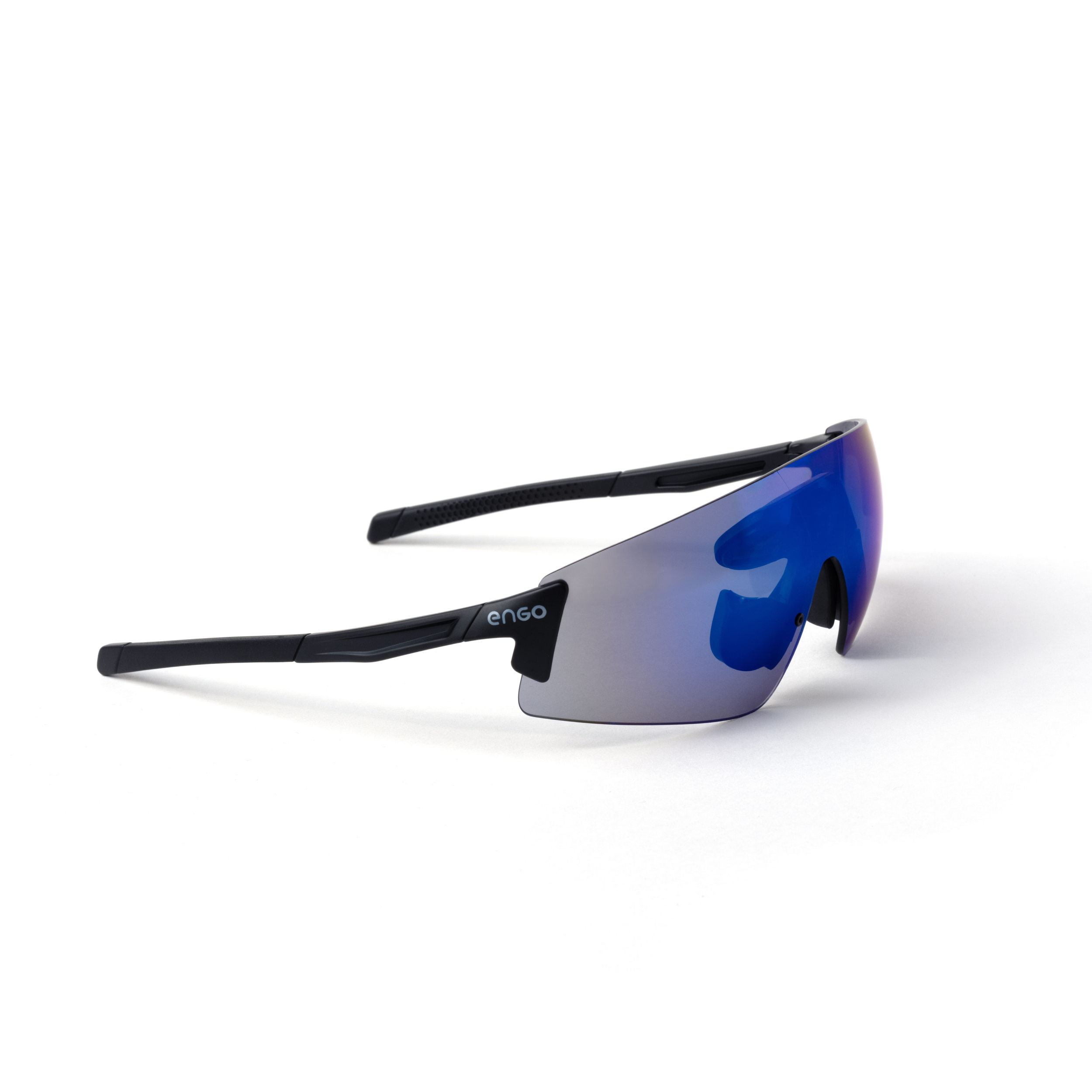
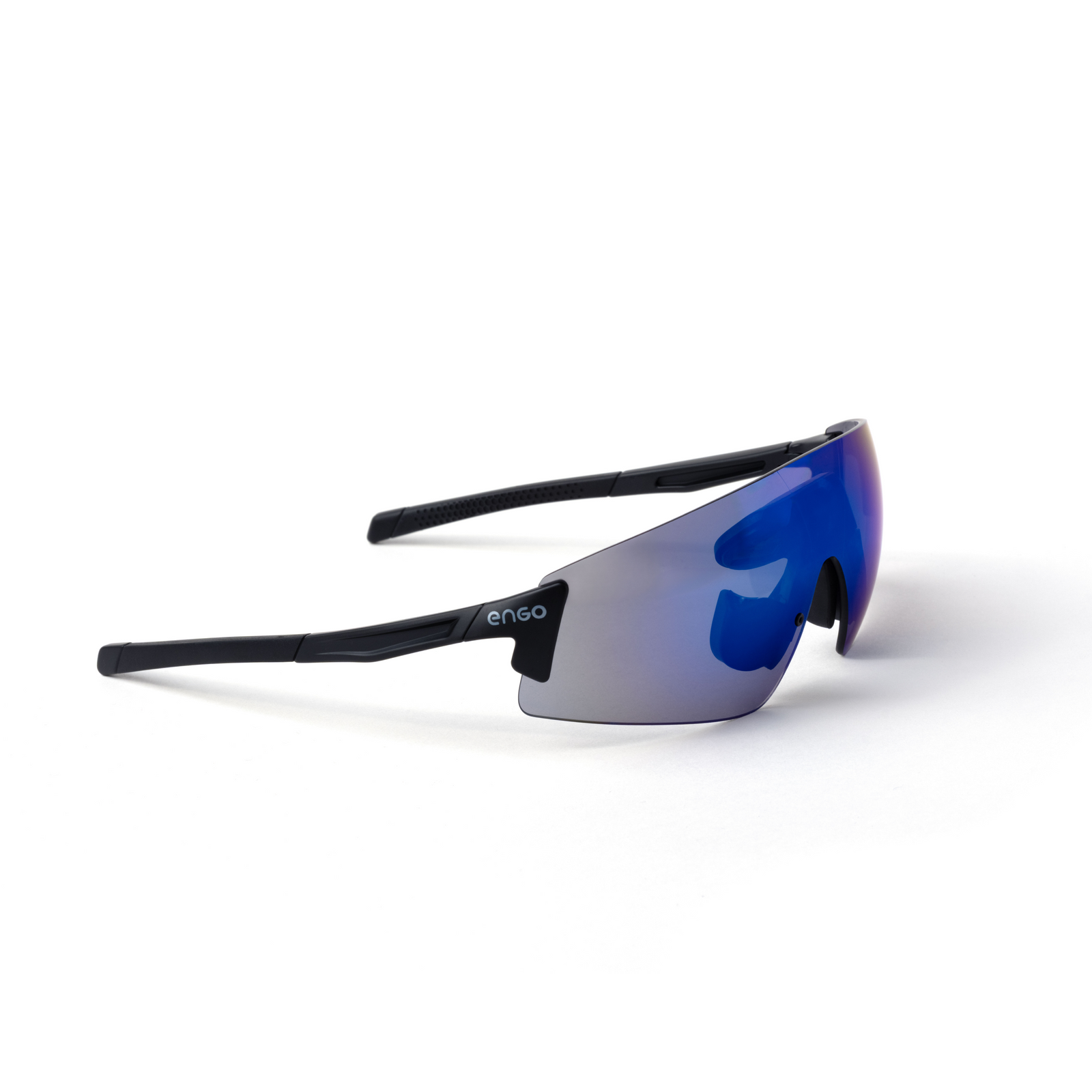
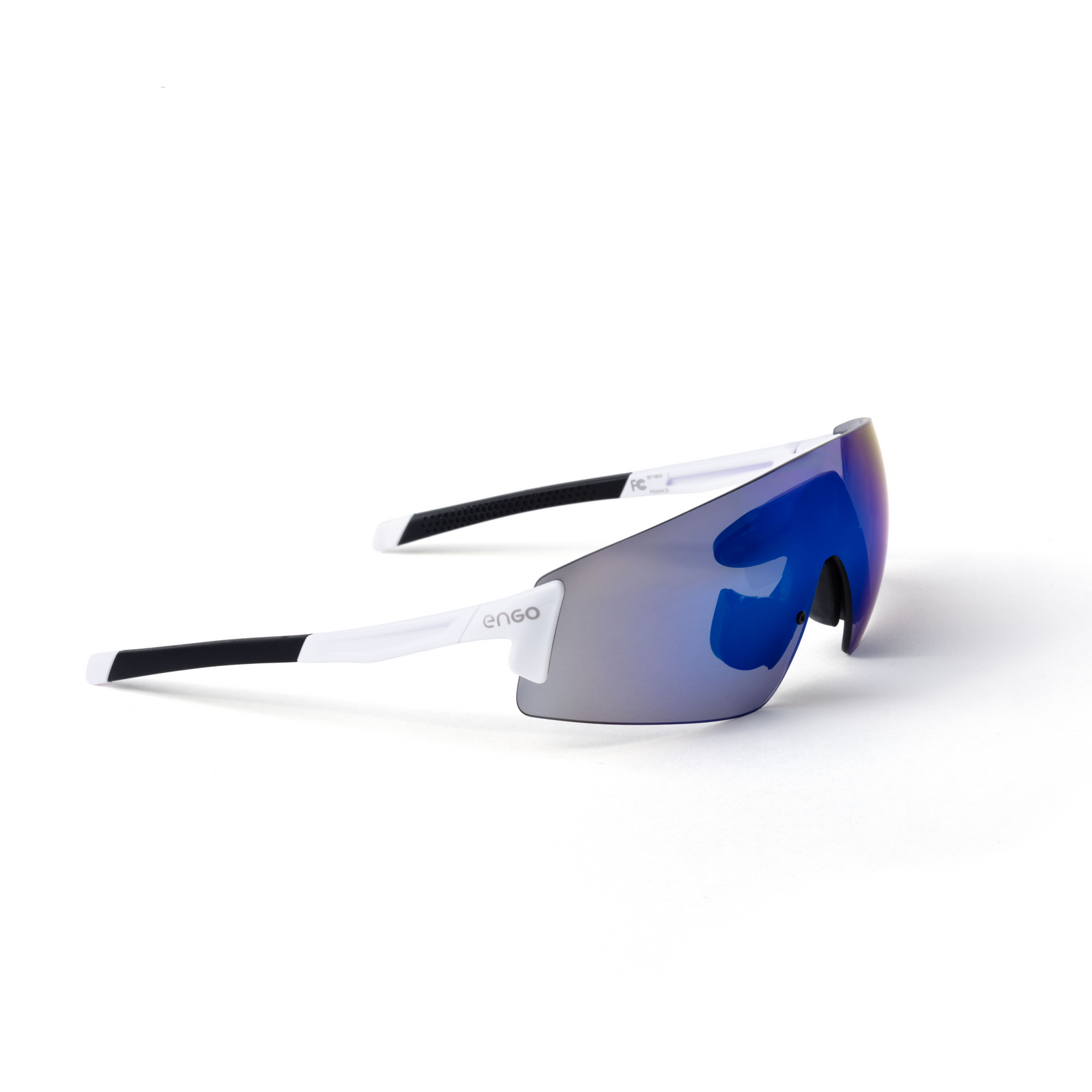
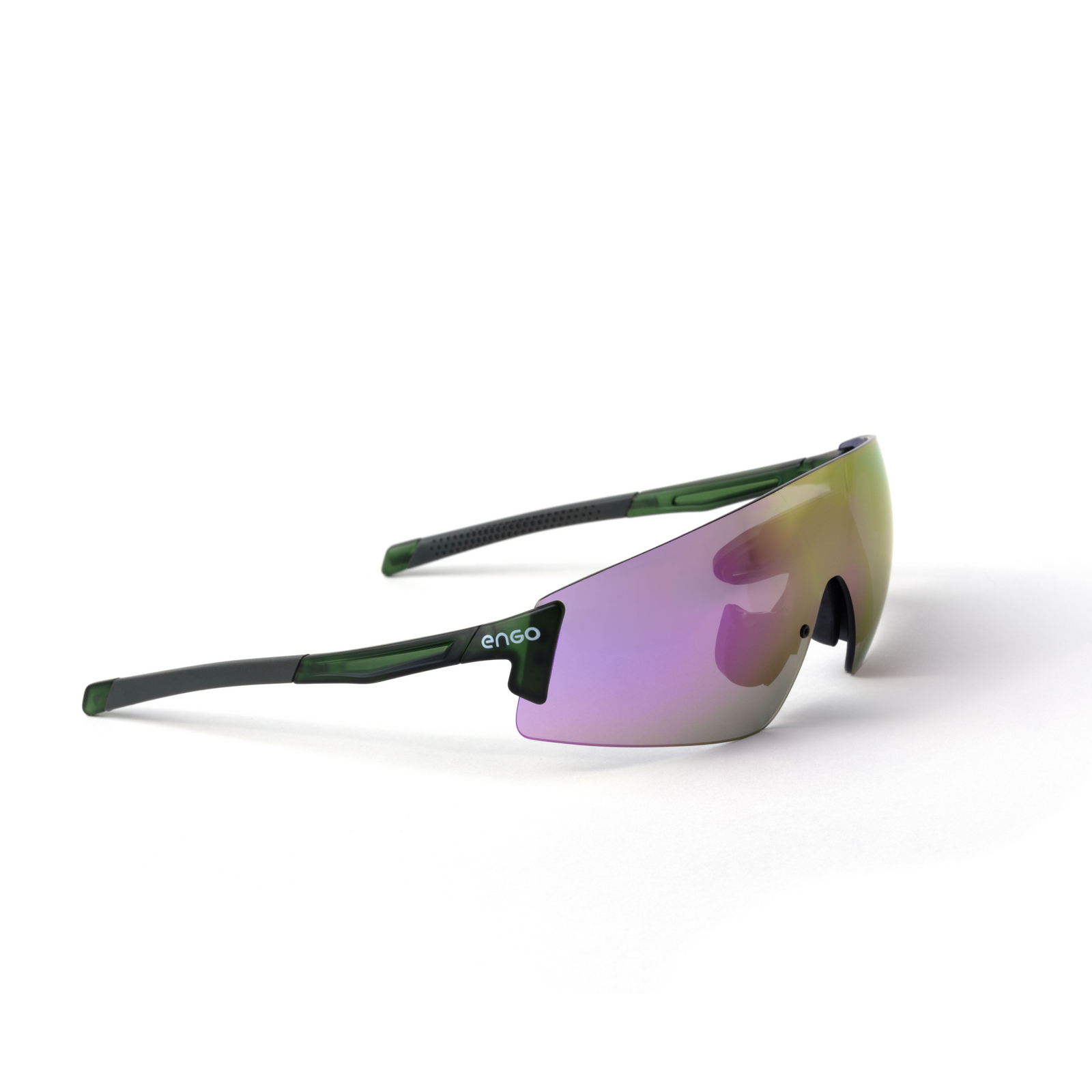
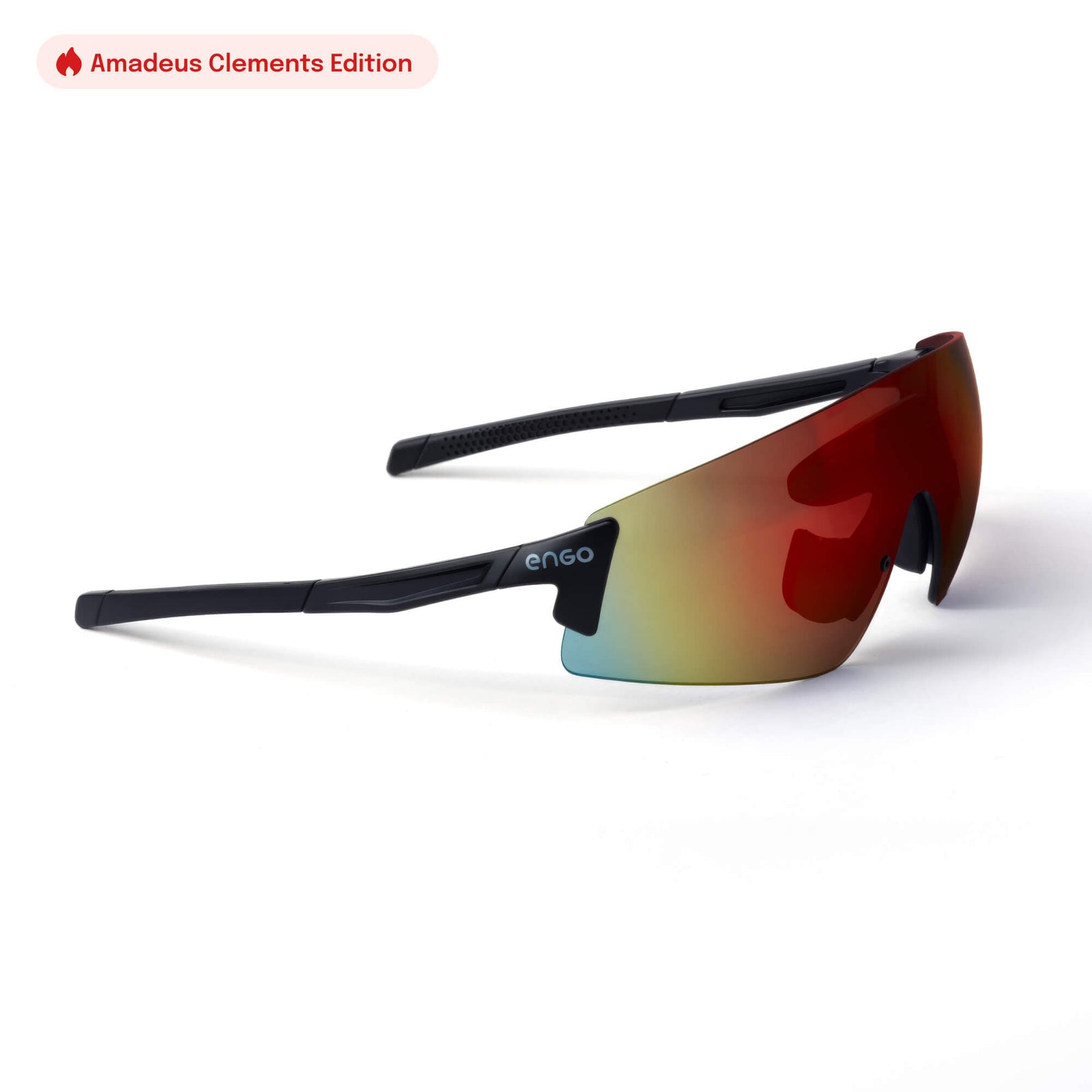
Preparing for my 7th Boston Marathon I decided to run with the new ENGO Eyewear. From the outside, they look like your typical sports glasses. However, from the athlete’s perspective, ENGO’s are a true game-changer, displaying real-time performance information directly into your field of view.
After pairing the ENGO glasses to my Garmin running watch, I personalized the data streams that I wanted to see. For me these were the vital 3: pace, heart rate and elapsed time.
Experimenting with the ENGO Eyewear during training, the experience was transformative. For the first time, I was able to monitor my key metrics while executing variable pace workouts, like the fast finish long long run. Never before had my speed management been so precise.
But would ENGO Eyewear be as useful and effective during the event?

My Race Blueprint
The Boston Marathon presents a number of challenges including its occurrence early in the season, relentless headwinds and a unique series of hills that can disrupt a runner’s rhythm.
I was particularly interested in how ENGO Eyewear could help guide my pacing strategy as I coped with the rolling terrain.
As mentioned, my goal time was 3 hours, which equates to an average speed of approximately 6:50 per mile. However, because of the locations of various climbs and descents along the course, trying to maintain this pace per mile throughout the entire race is a fool’s errand.
Instead, I broke the course into 4 segments, and devised a custom pacing plan for each. It looked like this:
0 – 10 km: Goal pace: 6:35/mi
The race immediately begins with a descent of 300’ within the first 10 km. This is an opportunity to get ahead of schedule and put “time in the bank,” as long as intensity is kept under control. Seeing my speed and heartrate presented in real-time allowed me to throttle my effort while running ahead of goal pace without too much cost. So far, so good!
10 km – 25 km: Goal pace: 6:40/mi
With the early descent behind me, I now settled into “cruising speed”. The density of runners begins to thin, providing space to concentrate on form and fueling. ENGO’s stream of data allowed me to relax and flow, without worrying about whether I was on pace. I nailed my objective of passing through the halfway point at 1:27:30.
25 km – 35 km: Goal pace: 6:55/mi
Now we enter the business end of the race! This critical section from mile 16 – 20 includes the infamous Heartbreak Hill, which is actually a series of 4 steps over which 190’ of elevation is gained. Usually you’ll have headwinds, too. My race plan anticipated that I’d slow during this segment so, as I monitored my heartrate with ENGO, I wasn’t alarmed at my first significant drop in speed. Focusing on my running mechanics, I grabbed a gel at the top and prepared for the final dash to the finish.
35 Km – Finish: Goal pace: 7:00/mi
By this point the accumulated fatigue often makes these last 6 miles the slowest and toughest of the race. This might seem strange since it’s a net descent of 125’ to the finish line. However many find these last few downhill miles to be excruciating. Seeing my pace right there in my field of view -- without having to break stride to look at my watch – was amazing! I was pleasantly surprised to have averaged a pace slightly faster than my goal during this last challenging section.
Mission Accomplished
I was able to beat my 3-hour time goal by posting a final time of 2:58:32. Woo hoo!
Looking back on how I accomplished this, my training was consistent and injury-free. My race-day fueling was spot on. But I also must credit ENGO Eyewear, which enabled me to execute a rather complex pacing plan.
ENGO’s data display helped me to subtly govern my efforts and avoid wasting energy, while keeping my changes of pace on track. ENGO also bolstered my confidence, and made it easier to stay on plan, even when other runners surged past me or when I encountered those inevitable rough patches in the race.
Experiencing the power of having your most important performance data presented in real-time directly in my field of view has changed forever how I approach training and racing. It’s always more fun when you exceed your goals… and ENGO Eyewear helped make that possible for me in the Boston Marathon.
Discover engo3
Everything runners ask, answered.
Will I even notice a difference?
The engo3 uses fixed tinted lenses (category 3), perfect for very sunny conditions. The engo3 Photochromic features photochromic lenses that automatically adapt to light levels (cat. 0 to 3), making it ideal for changing light conditions.
Is engo3 compatible with Garmin?
Yes it is, with over 81+ models of Garmin devices, plus Apple Watch.
How is engo3 different from Meta Oakley Vanguard?
engo3 is a pure performance display built for serious runners and cyclists: a lightweight AR heads-up display (38.5g) that projects your stats (pace, heart rate, cadence, and more) right in your line of sight, with 20+ hours of battery life and no camera, music, or notifications to distract you.
The Oakley Meta Vanguard is a general-purpose smart glasses product with a built-in camera and Meta AI, giving you sport stats through voice commands or audio rather than a visual display, with about 9 hours of battery life. In short: engo3 keeps your eyes on the road and your data always visible, Vanguard is a multitasking device where sport is one feature among many.
How long does the engo3 battery last?
24+hours
Can I use engo3 for trail running or ultras?
Yes!
Does engo3 have a camera?
No, engo3 doesn't have a camera. It's built purely as a data display: no camera, no music, no notifications, just your real-time stats (pace, heart rate, cadence, etc.) projected in your field of view. That's a deliberate choice to keep it light (38.5g) and focused on performance rather than content capture.
What is the weight of engo3?
38.5 gr
Read more articles
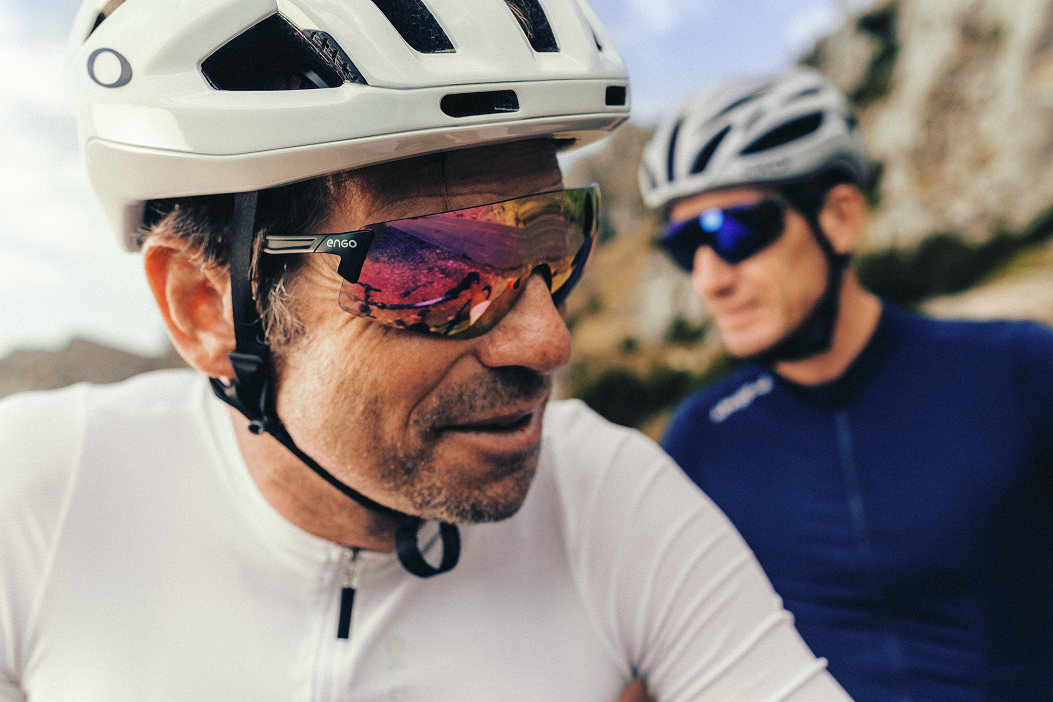
engo3 for cyclists: ride data without looking down
engo3 cyclist connected glasses put pace, power, varia radar and heart rate right in your line of sight, so cyclists never have to look down at a bike computer again.
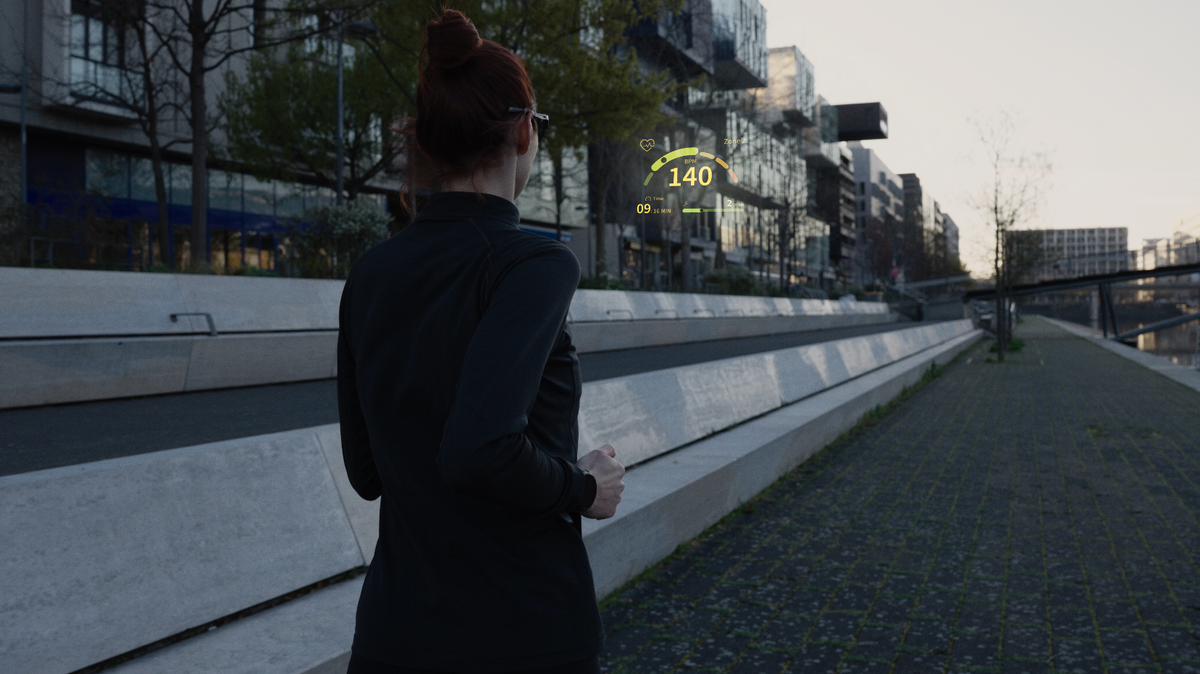
The Marathon Wall: Understanding and Overcoming This Notorious Challenge
The marathon wall isn't a myth, it's a physiological reality that typically strikes between kilometer 30 and 35, when glycogen stores run out and the body is forced to burn fat, a far less efficien...
engo3 Kenya: The Limited Edition with Amadeus Clements
Iten, Kenya has produced more world-class marathoners than most countries combined. It's also where the engo3 Kenya was born, not in a design studio, but on the training log of an engo athlete who ...
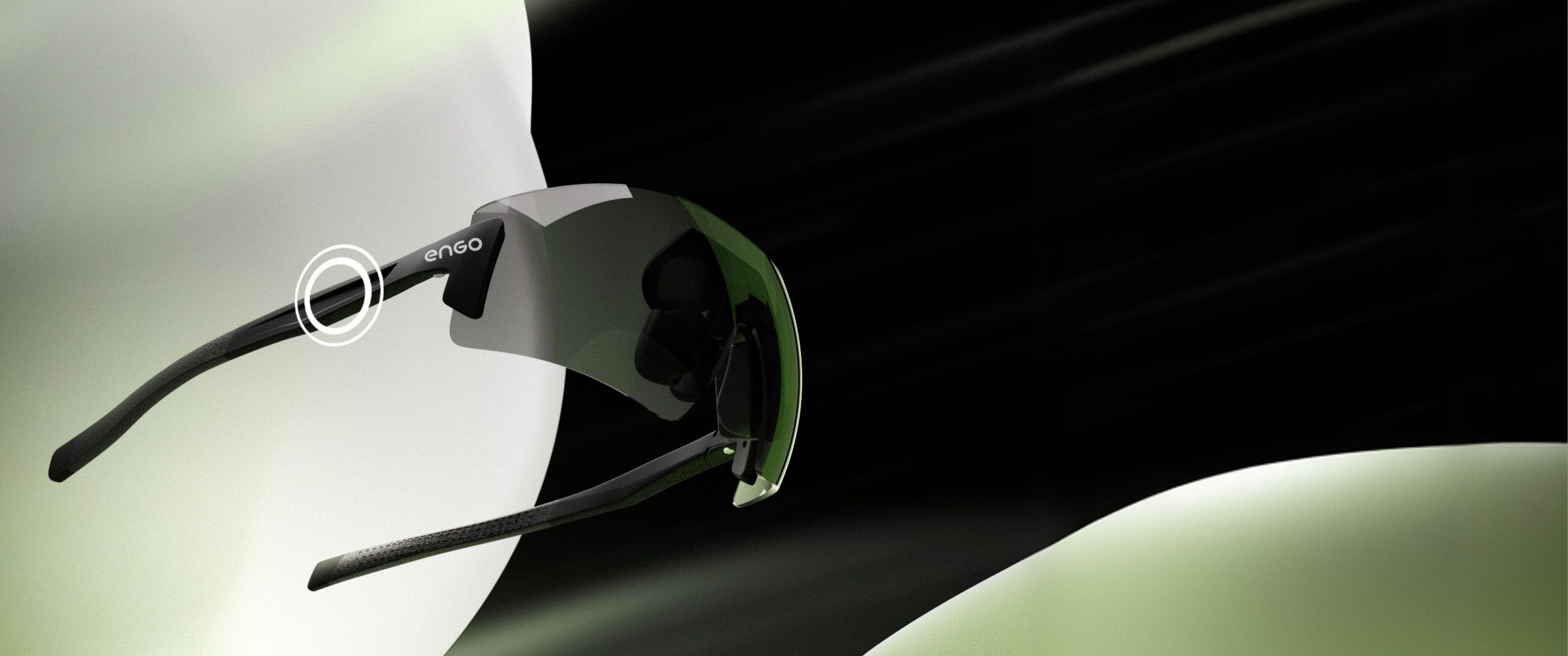

Compatible Devices
Works with most Garmin, Apple Watch, or Suuntos. See the complete list of supported devices and third-party apps that work seamlessly with ENGO.
Check the compatibility of your device
ENGO Care
Your Worry-Free Protection. Scratched lenses? Broken frame? Stolen gear? For one year, we'll replace your ENGO—no hassle, no extra cost. Train hard without worry.
Learn About ENGO Care
Get Started in Minutes
Step-by-step instructions for pairing ENGO with your specific watch model. Clear, simple guidance to get you from unboxing to your first run in under 5 minutes.
Connect ENGO to your device
Returns
Train with ENGO for a full month. If it doesn't transform your running, return it free with our prepaid label. Full refund, no questions asked, no restocking fees.
See Return Process
Questions? We're Here.
Browse our FAQ library, explore detailed setup guides, search our help database, or chat directly with our support team. Real help when you need it.
Visit Support Center