
Some runners go into a marathon with a goal. Amadeus Clements goes in with a number: 2:14:59.

It is the time he believes he needs to win the Greek Marathon Championship at the Athens Marathon on November 8. His personal best is 2:28:51, set at the Hannover Marathon in 2025. Closing that gap means running much faster per kilometer, on one of the hardest road courses in the world.
You do not get there with motivation alone. You get there with a plan, and the discipline to execute it. Here is how he built his, and how you can build yours.
Step 1: start from the course, not the average
2:14:59 over 42.195 km works out to an average of about 3:12 per kilometer. But Amadeus will almost never run exactly that pace.
Athens has a flat start, a long climb from around kilometer 10 to kilometer 31, then a long descent into the city. Running one even pace on that profile would mean going too hard uphill and wasting the downhill.
So his plan follows the terrain:
| Section | Target pace |
|---|---|
| Flat start | Just under 3:11 per km |
| The long climb | Between 3:11 and 3:24 per km, depending on the gradient |
| The descent to the finish | Around 3:03 per km |
For your race: get the elevation profile, split it into sections, and set a pace or effort for each. On a flat course, an even pace or a slight negative split works best. On a hilly course, aim for even effort.
Step 2: rehearse the plan in training
A plan you have never run is a guess. Amadeus rehearses his on the roads around Iten, Kenya, where he trains at around 2,400 meters.
On his long runs, he recreates the Athens profile: holding rhythm on the flat at Tambach, managing effort on the climb back up to Iten, and practicing the fast finish on the descent toward Kessup. Each long run becomes a dress rehearsal of the race.
For your race:
- Include goal-pace sections in your long runs, ideally in the second half when you are tired
- If your course has hills, find a route with similar climbs and run them at goal effort
- Practice your fueling at goal pace too. Your stomach behaves differently when you run harder
Step 3: know your numbers in real time
On race day, the hardest part of a pace plan is not knowing it. It is following it, kilometer after kilometer, while your legs, your head and the runners around you push you to do something else.
The classic problem is the glance. Every time you look down at your watch, you break your posture and your focus for a moment. Over two hours, or four, those moments add up. And on a climb or in a pack, you often do not look at all, and drift off pace without noticing.
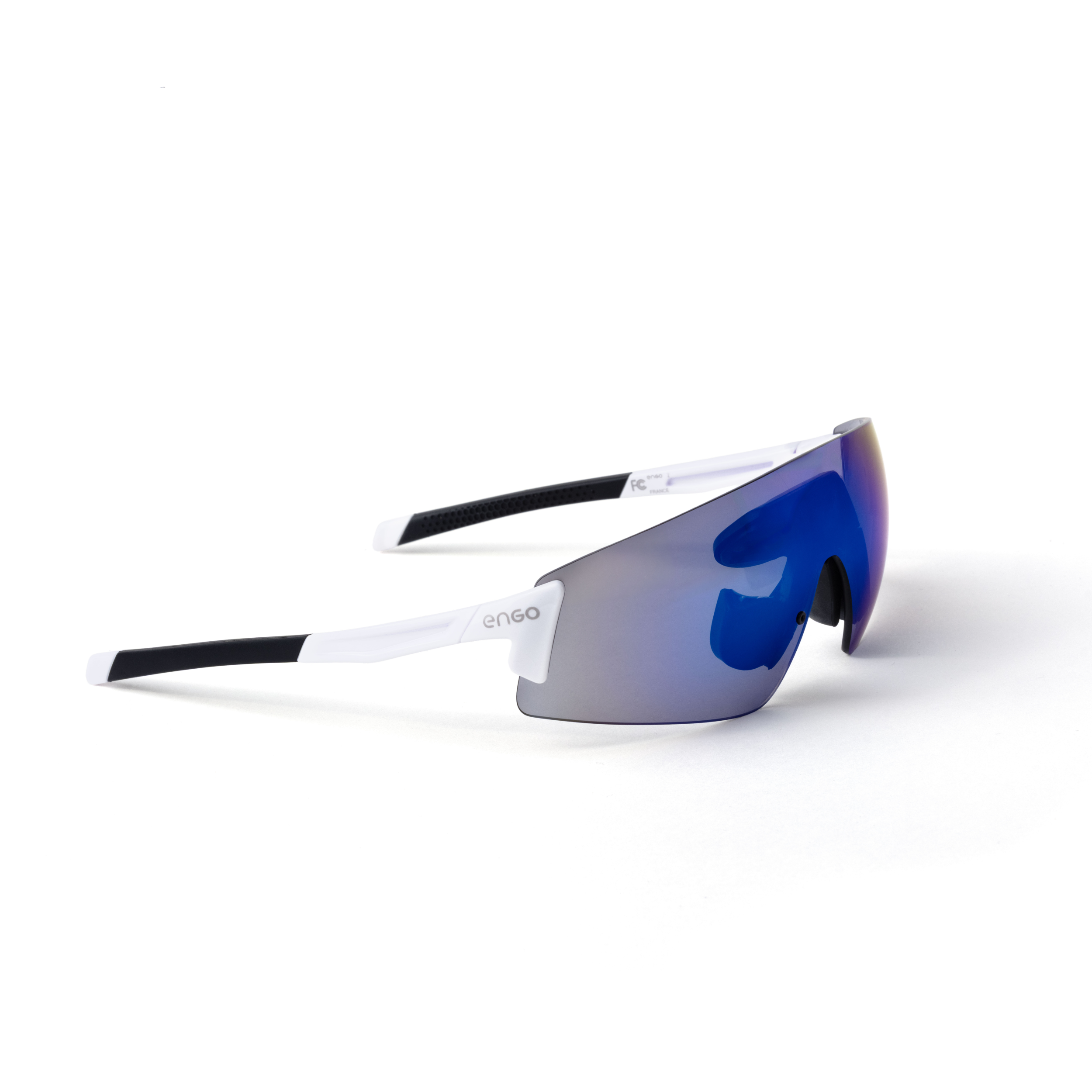
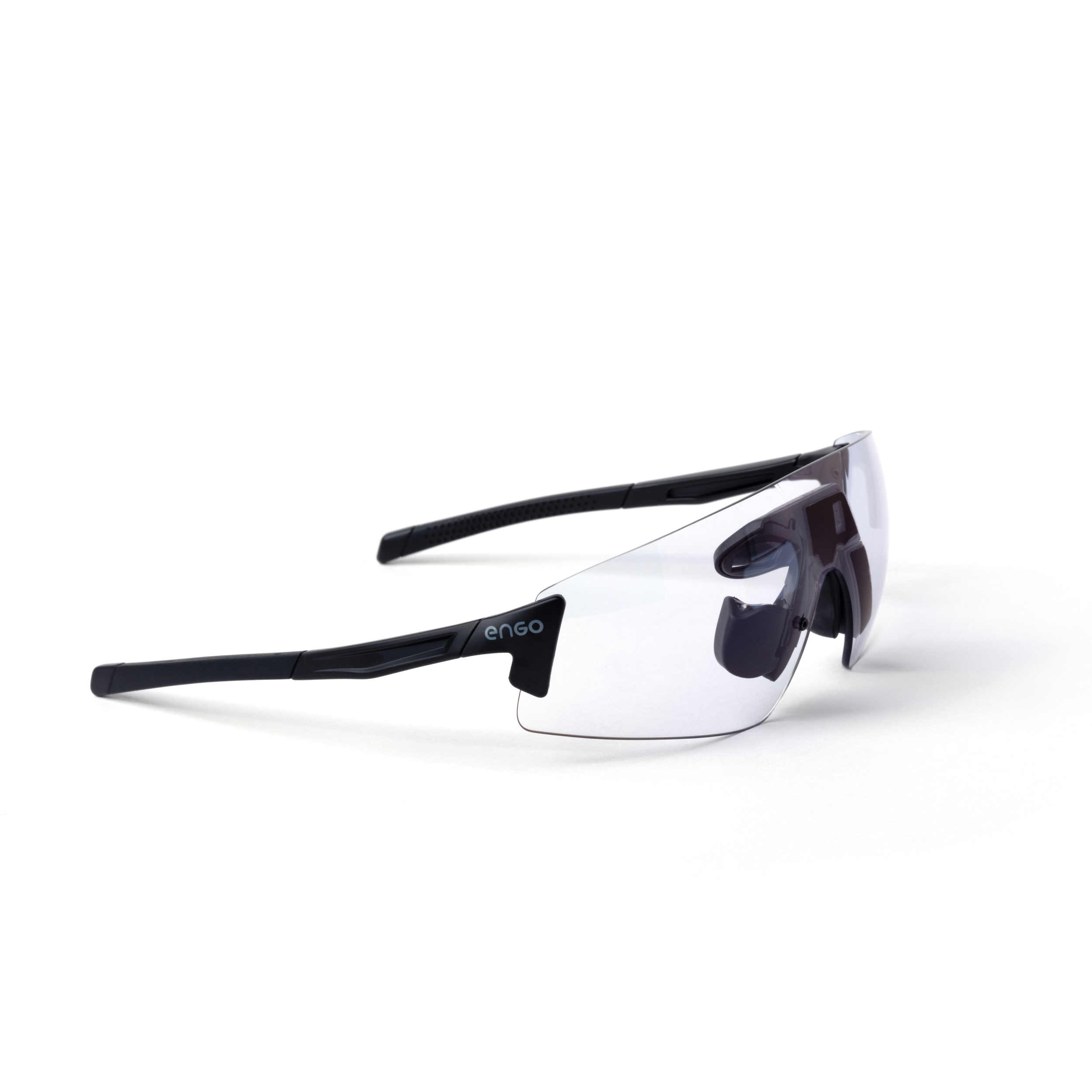
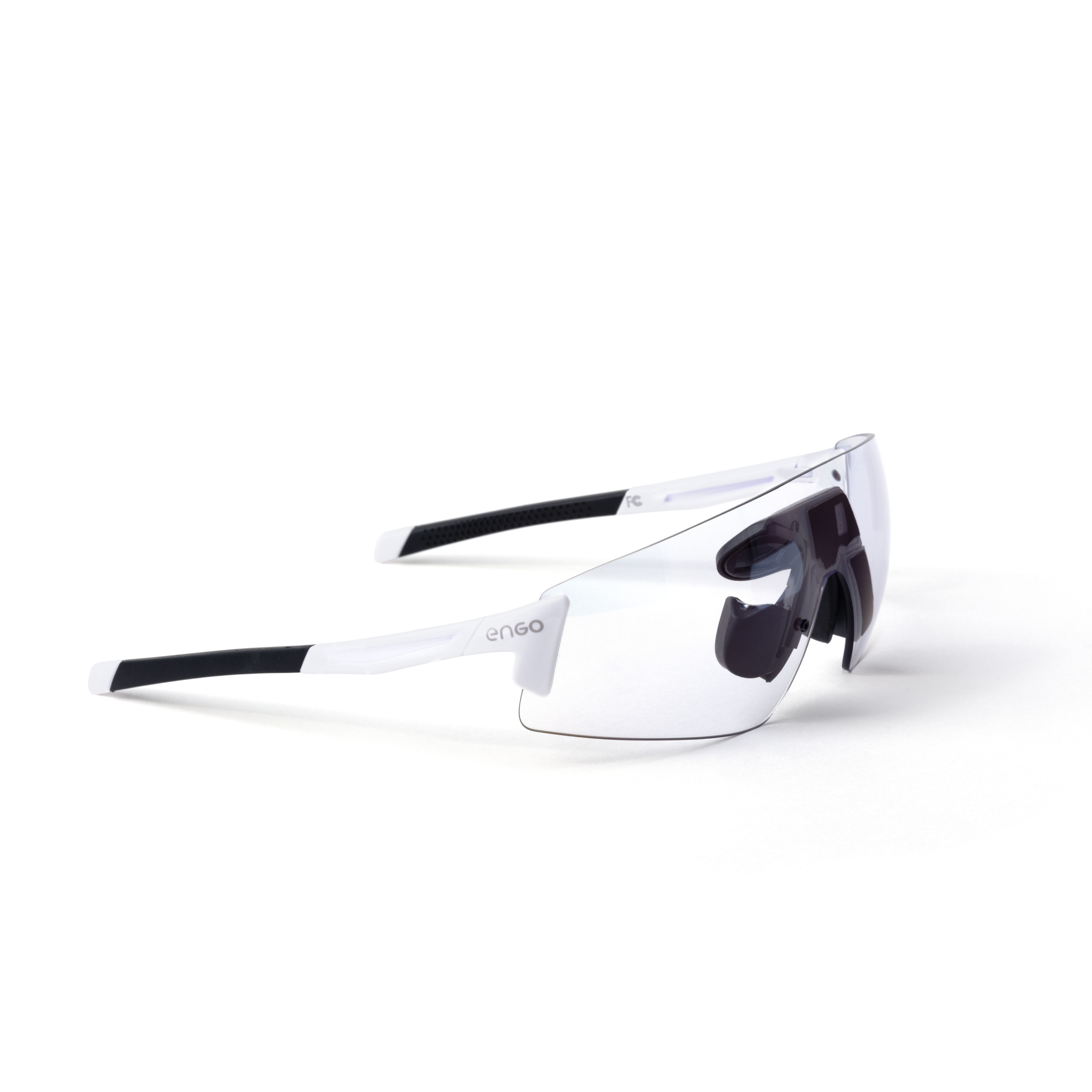
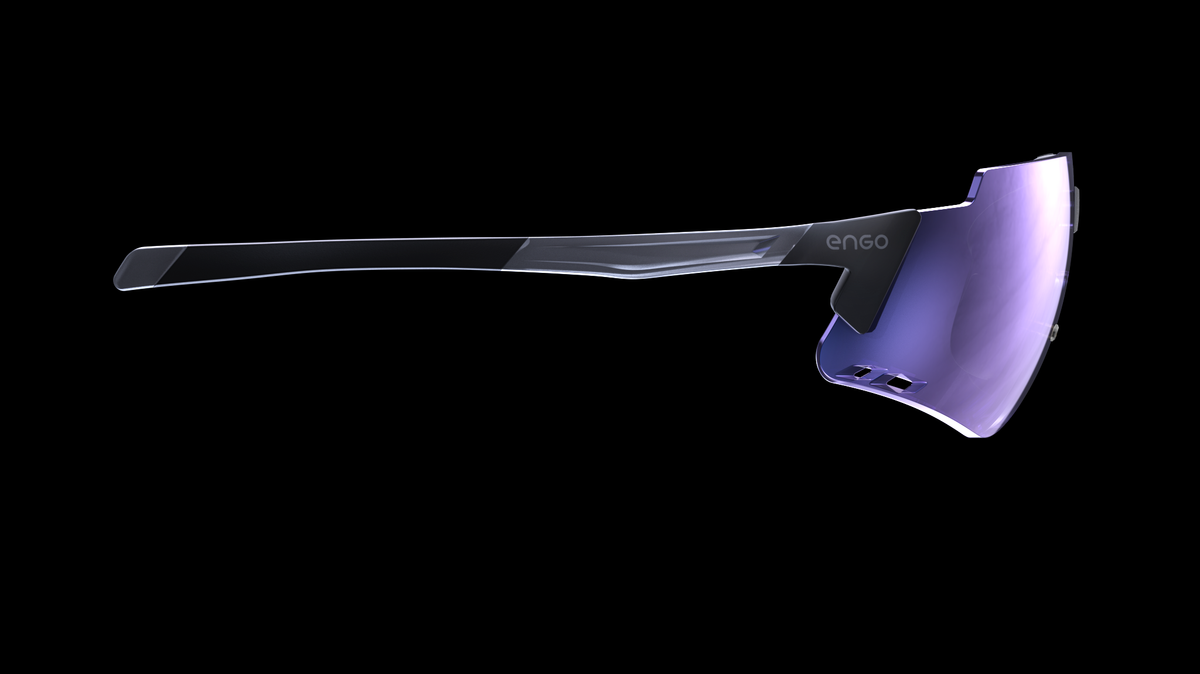
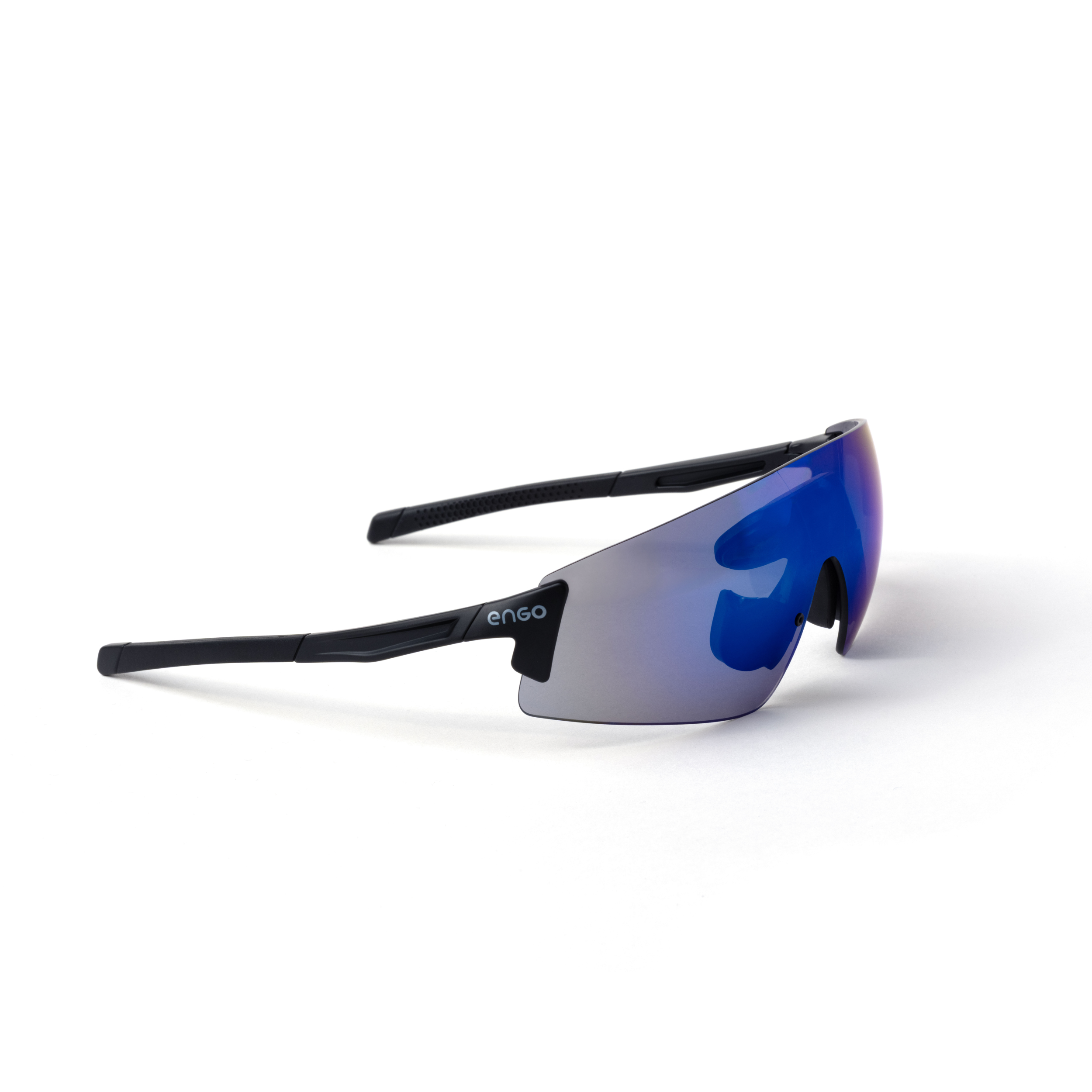
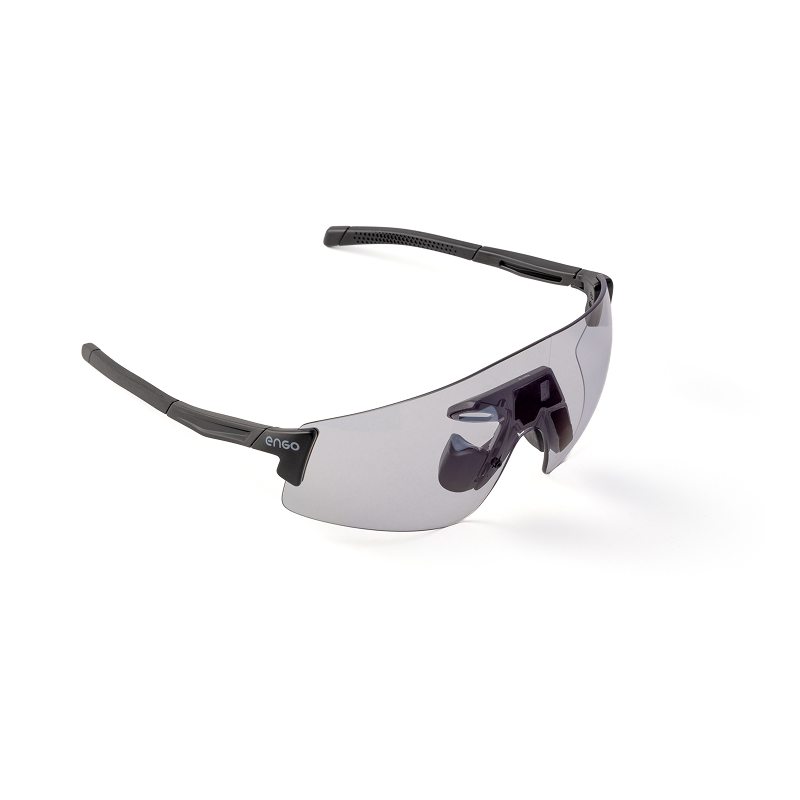
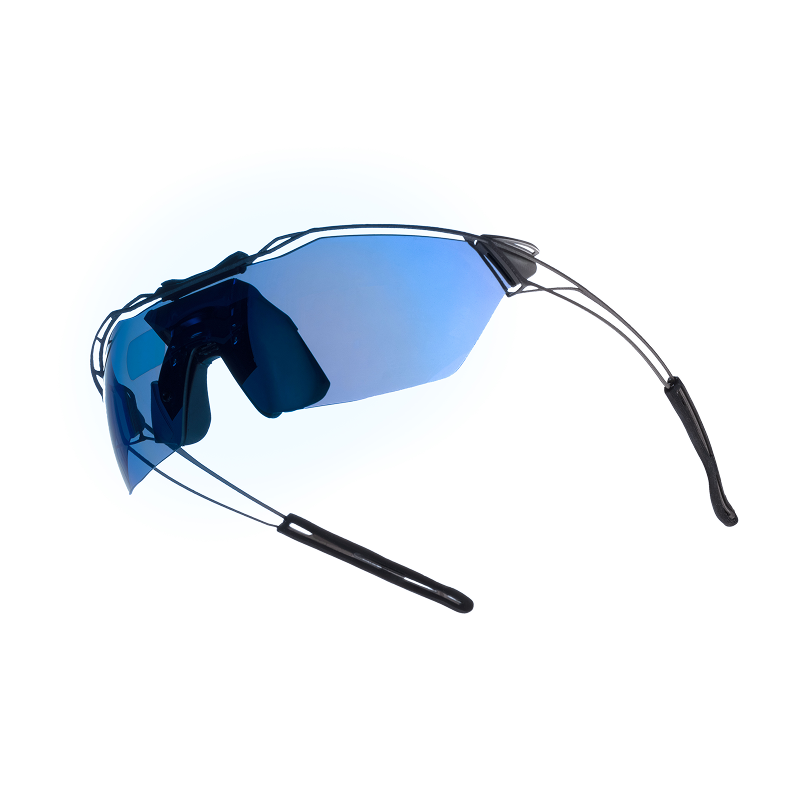
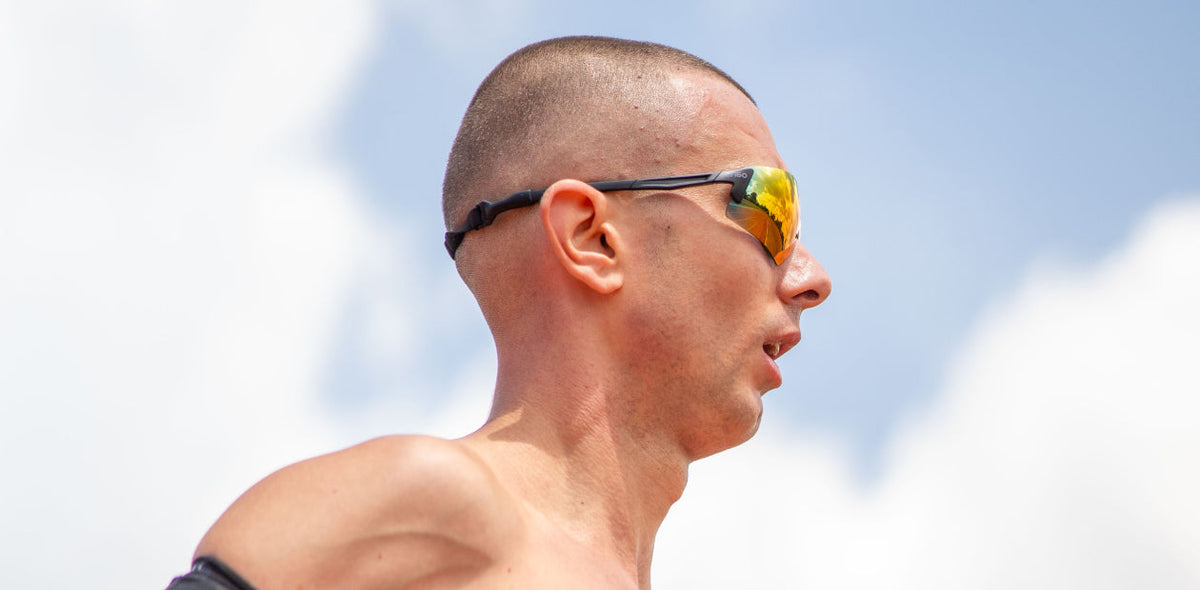
This is where Amadeus relies on his engo3. His pace sits in his field of view, so he can check it without breaking stride.
"It lets me run freely without ever losing the rhythm of the runners around me," he says. "I have a constant view of my pace, so I stay locked onto my target with every stride."
For a margin as tight as his, that precision is what turns a race plan into a result.
For your race: choose two or three metrics that match your plan (pace, heart rate, distance) and set your display around them weeks before race day. Then leave the settings alone.
Step 4: plan what you will do when it goes wrong
No marathon goes exactly to plan. Wind, heat, a bad patch at kilometer 28. The best pace plans include a plan B.
Decide in advance:
- How much slower you will accept on the climbs before you consider it a problem
- What you will do if your pace drops for more than a kilometer: ease off, take a gel, regroup at the next aid station
- What your second goal is if the first one slips
A clear plan B stops you from making emotional decisions at your most tired.
Step 5: trust the work
Amadeus has spent six months at altitude, training with some of the best distance runners in the world, rebuilding after a stress fracture and rehearsing every section of the Athens course. On race day, the job is simple: execute.
His message, from his athlete profile: "This is how I'm preparing to win the Athens Marathon Greek Championship. 2:14:59. Watch."
Your pace plan checklist
- Download your course elevation profile and split it into sections
- Set a target pace or effort for each section
- Rehearse each section in at least two long runs
- Set up your display with your two or three key metrics
- Write your plan B and your second goal
- Lock your fueling schedule to your pace plan
Follow Amadeus's final steps before Athens in the Road to Athens series on YouTube.