

I Finally Completed My Yasso 800s With ENGO Eyewear
A vital component of marathon preparation is identifying a realistic finish time and then making sure that your training is appropriate for achieving that goal.
Throughout my running career, I’ve used Yasso 800s to tell me if I was on-pace to hit my desired marathon time. While this workout might not be for everyone, they’ve worked for me; they’re also a powerful session that delivers numerous benefits for your fitness and mental toughness.
I struggled with implementing Yasso 800s, until I discovered a tool that finally allowed me to perform them to my capability (more on that in a moment).
What Are Yasso 800s?
Yasso 800s are a type of speed workout used by runners to predict their marathon time. They were created by Bart Yasso, the former chief running officer of Runner's World magazine, and have become a go-to session for many serious runners.
The workout consists of running ten 800-meter intervals -- all at the same precise target pace -- with equal recovery intervals in between.
This type of workout helps runners build endurance, improve their lactate threshold, and get comfortable running at faster speeds. It's also a great way to build confidence in one's ability to sustain a target pace.
Yasso 800s to Predict Marathon Time
Yasso 800s are often used as an indicator of a runner's potential marathon time. The idea is that a runner's average time for their ten 800s (in minutes) can be used to predict their marathon time (in hours). For example, run each 800 in 3 minutes 20 seconds, and you can predict your marathon time to be 3 hours 20 minutes.
Obviously, this workout provides just a rough estimate, and many factors such as your overall training, fueling, and the actual race day conditions will influence a runner's actual marathon time. However, Yasso 800s are a useful tool for goal setting and pacing, and can provide a benchmark for a runner's increasing level of fitness.
In my case, my goal was to break three hours for my marathon, so my target 800m time was 2 minutes 55 seconds.
Because Yasso 800s sessions are so demanding, I scheduled three of them into my training plan every 2.5 weeks during the latter half of my 16-week program.

What Makes Yasso 800s So Tough?
Yasso 800s are difficult for several reasons:
-
Intensity: Running 800m intervals at a fast pace is a demanding workout, both physically and mentally. It requires a significant effort and focus to maintain the target pace for each repeat. The early reps should feel rather easy, but expect the latter intervals to be quite challenging.
-
Endurance: Few athletes start by performing all 10 repeats of 800m at a fast and controlled speed. It’s not uncommon for runners to begin with five 800s (like I did) then, as they’re able to complete those on goal pace, slowly add additional reps until they’re able to successfully complete all ten intervals.
-
Speed and pace: Maintaining a consistent pace throughout the workout is difficult, especially as fatigue sets in. This requires good pacing skills, the ability to relax while performing at a high effort and the grit to push through discomfort.
My Early Experience with Yasso 800s
I began dabbling in Yasso 800s in the 1990s, when I first became interested in marathon running. Frankly, my initial experiences were not positive. In nearly every attempt, I was unable to complete all of the prescribed reps, and my pacing became erratic in the latter stages of the sessions.
I quickly realized that there were no shortcuts to a solid base and consistent training program and, as I established my foundation of fitness, I discovered that I was able to run my Yasso 800s with more confidence… and occasional success.
Still, Yasso 800s was not a workout I looked forward to or enjoyed. In fact, my inconsistent execution of this workout probably did more to undermine my confidence than inform my marathon time.
My Breakthrough with ENGO
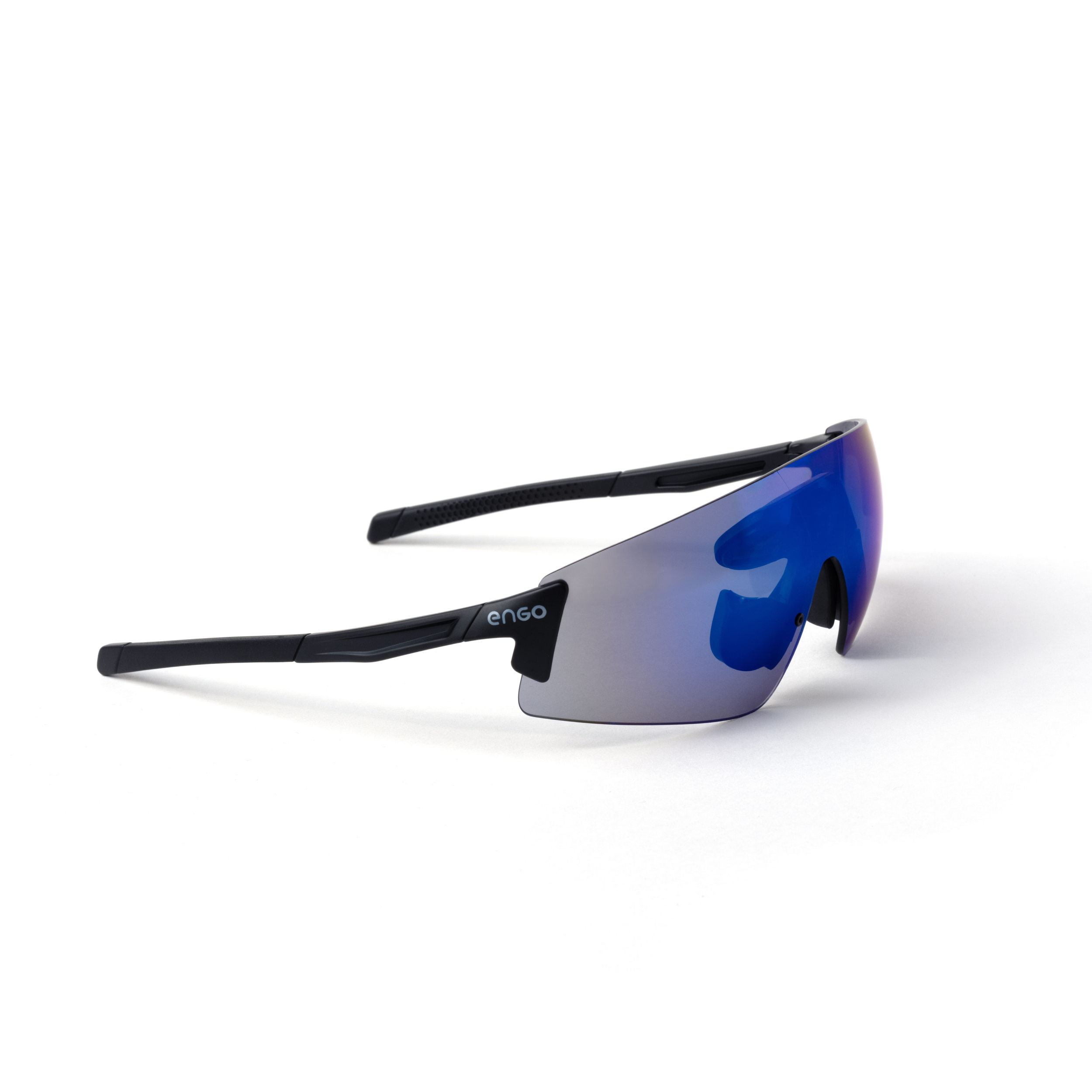
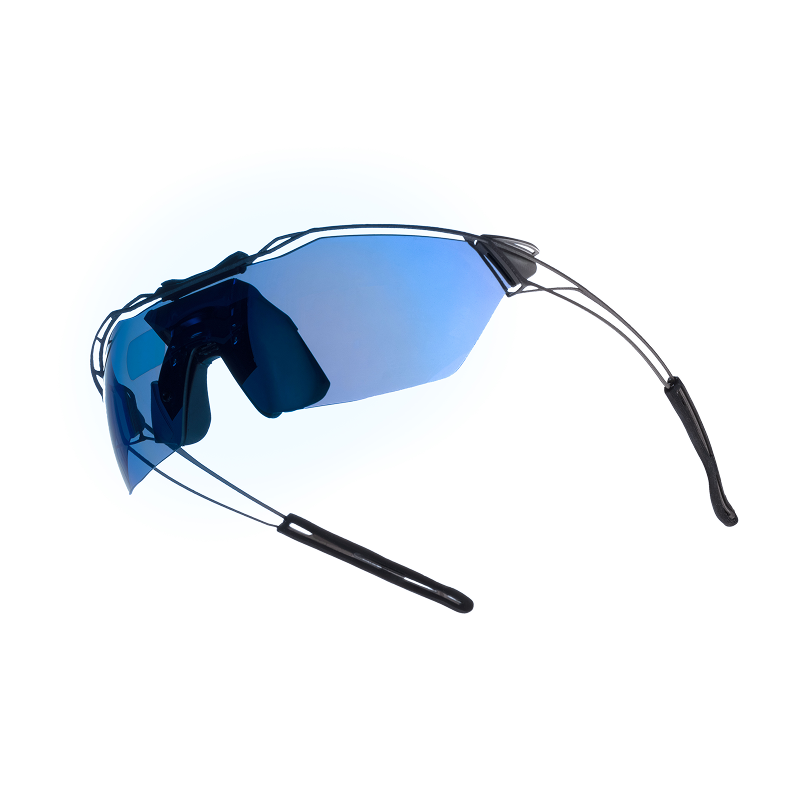
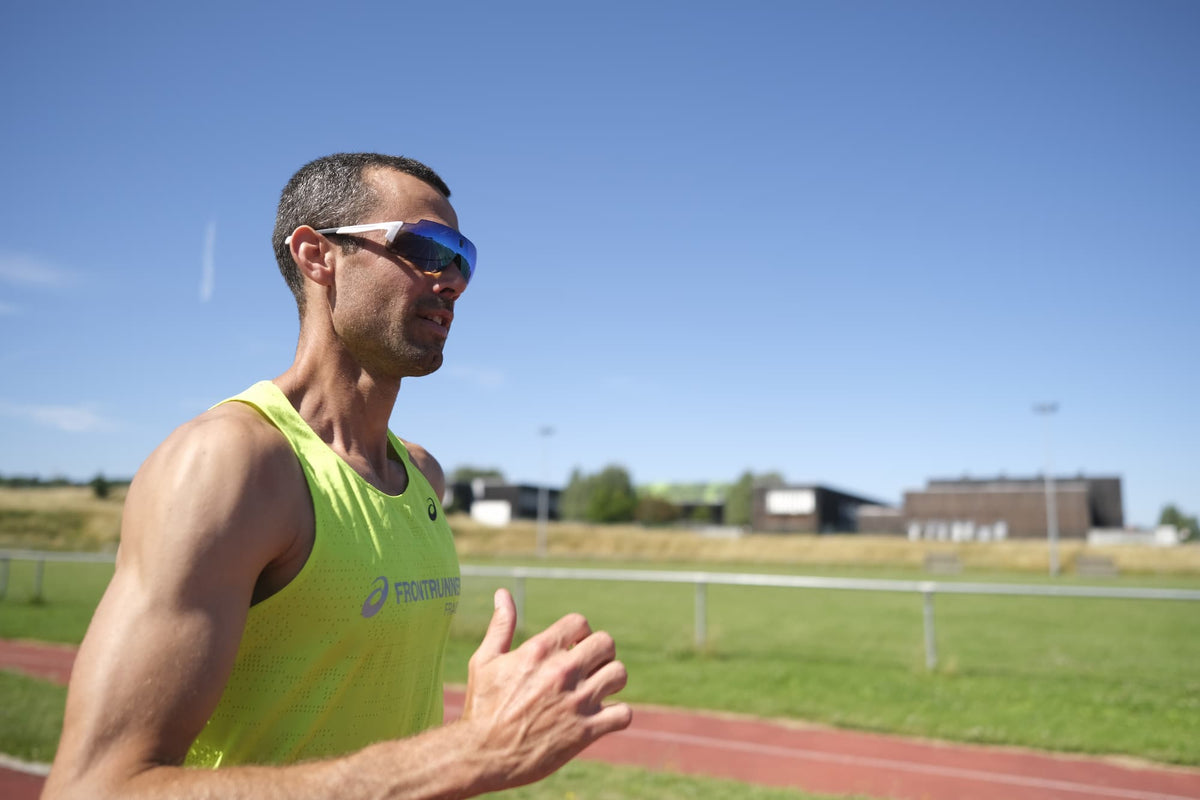
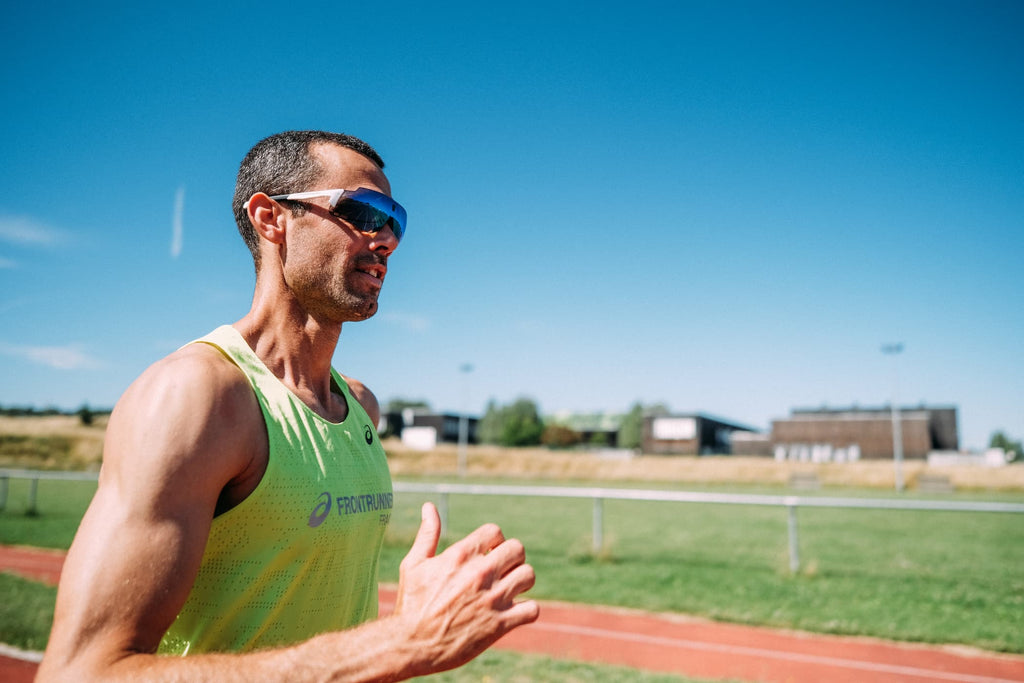
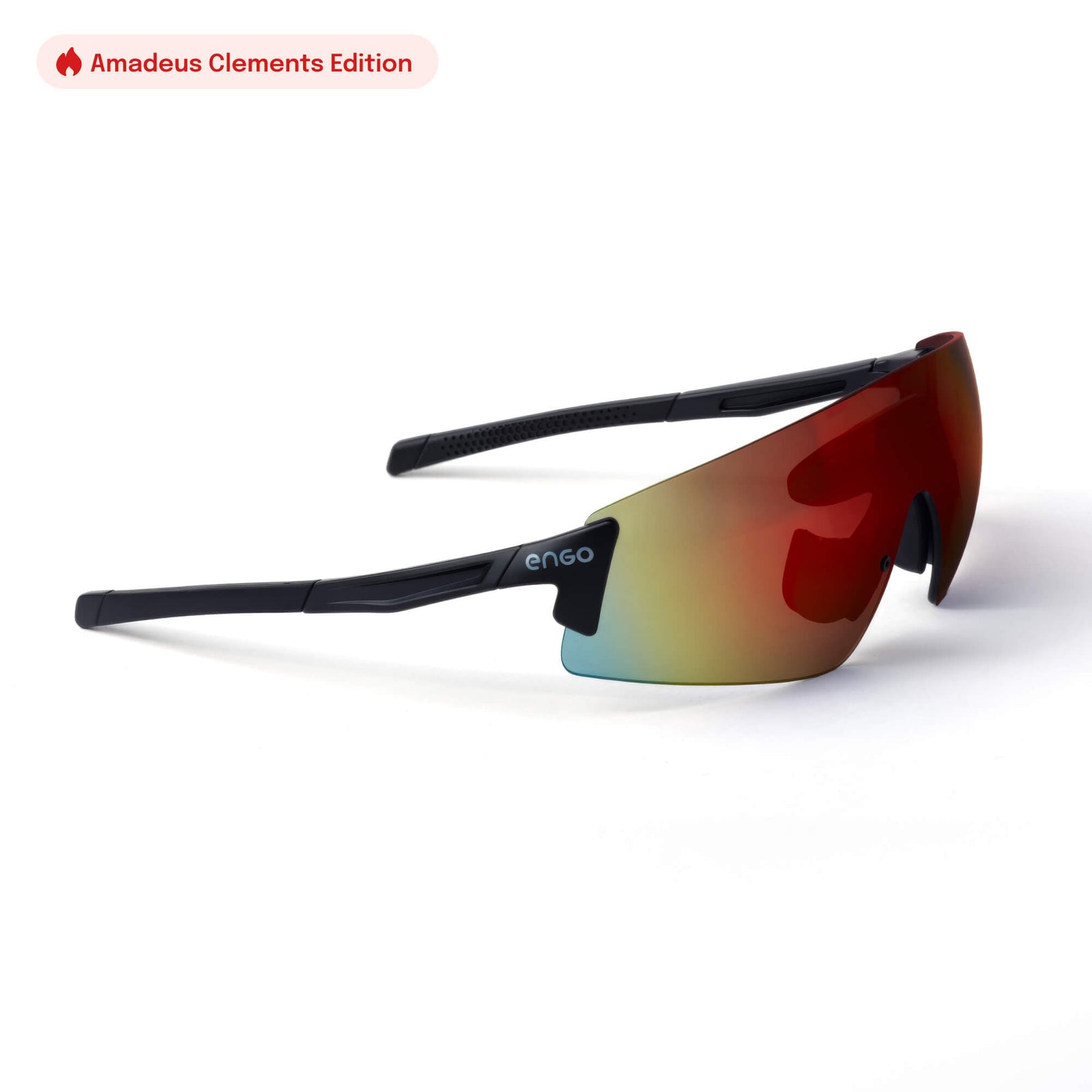
Everything changed when I started to run with ENGO 2. ENGO has a built-in display that established a Bluetooth connection with my Garmin Forerunner 945, and enabled me to view performance data from Garmin in my natural field-of-view.
The main thing about the display is that you only see it when you want to; it’s not distracting or overwhelming. With ENGO, you don’t need to slow down to read your sportswatch – instead, you can see your performance numbers instantly, at a glance, in real time. You can read more about how this amazing technology works in many other places, so let me explain how ENGO 2 helped me to finally complete my Yasso 800s.
- Pace Precision. Just like in many of my races, I tend to go out too fast in the early Yasso 800s, dooming myself to dying like a dog later in the workout. With the ENGO 2 display I had a constantly visible reminder that allowed me to properly govern my pace during every rep and ensured that I maintain a more consistent speed throughout the session.
- Efficient Running Mechanics. With my current pace always visible in my glasses, I could focus on my running form, relax into my efforts and not disrupt my stride by attempting to read the data on my wrist (which becomes increasingly difficult the deeper into the intervals I got). ENGO glasses help eliminate energy leaks, which commonly derail peak performance.
- Confidence to Succeed. By interval 7, I was really starting to hurt. But I was empowered by the knowledge that I was executing this workout with maximum efficiency and a very clear understanding of exactly what would be required to finish it. The last 3 intervals were far from easy, but the information provided by ENGO gave me the confidence to successfully complete my Yasso 800s.
Whether you’re aiming to achieve an audacious time in your next marathon, or to simply get the most from your workouts, you should give ENGO Eyewear a try. It will transform your approach to distance running by making you a more efficient, informed and confident athlete.

Discover engo3
Everything runners ask, answered.
Will I even notice a difference?
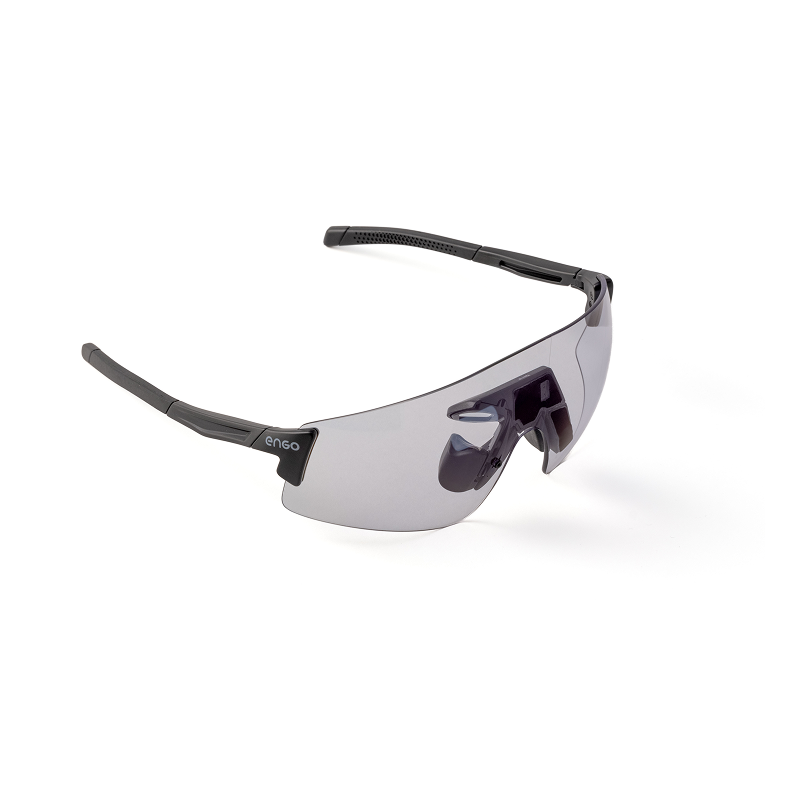
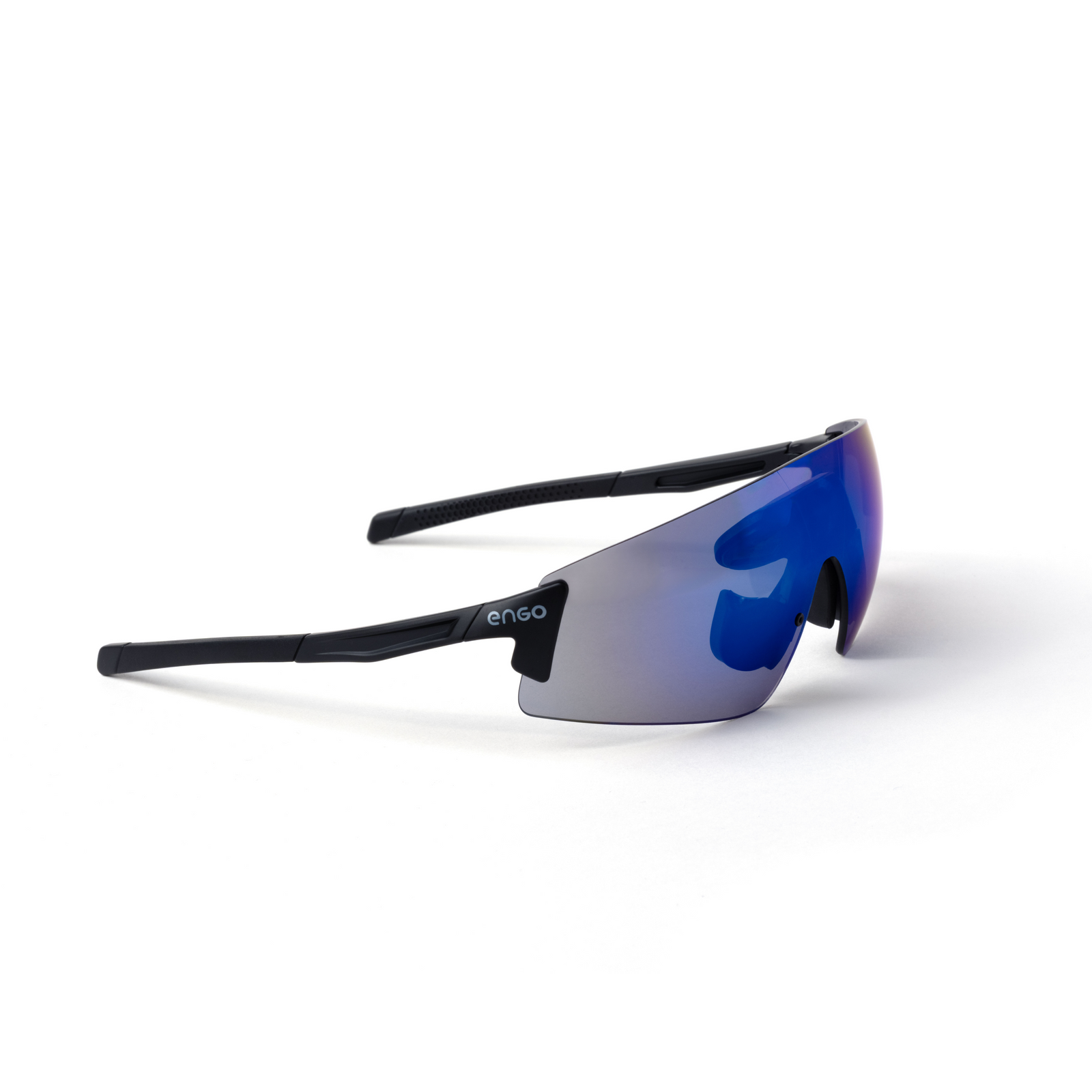
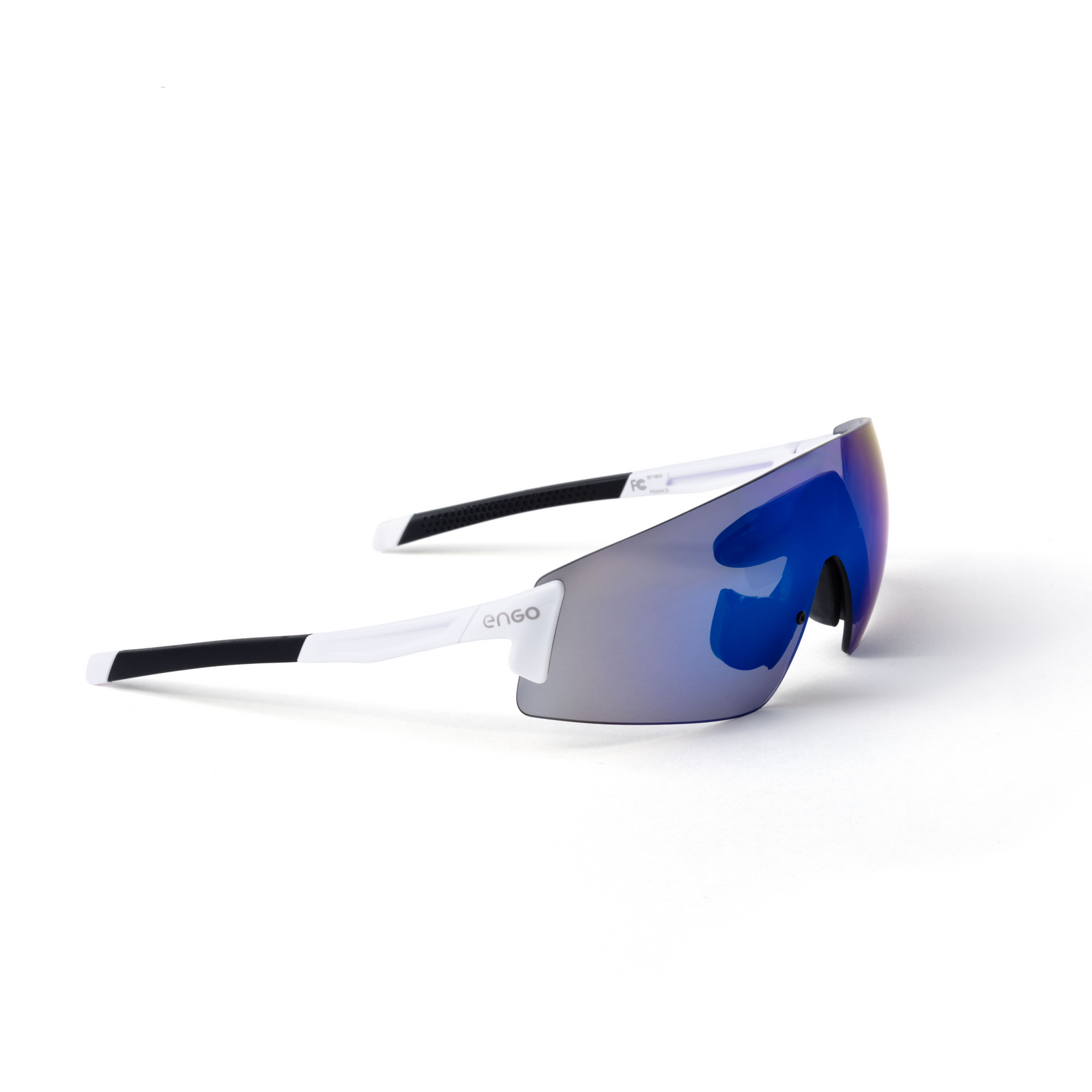
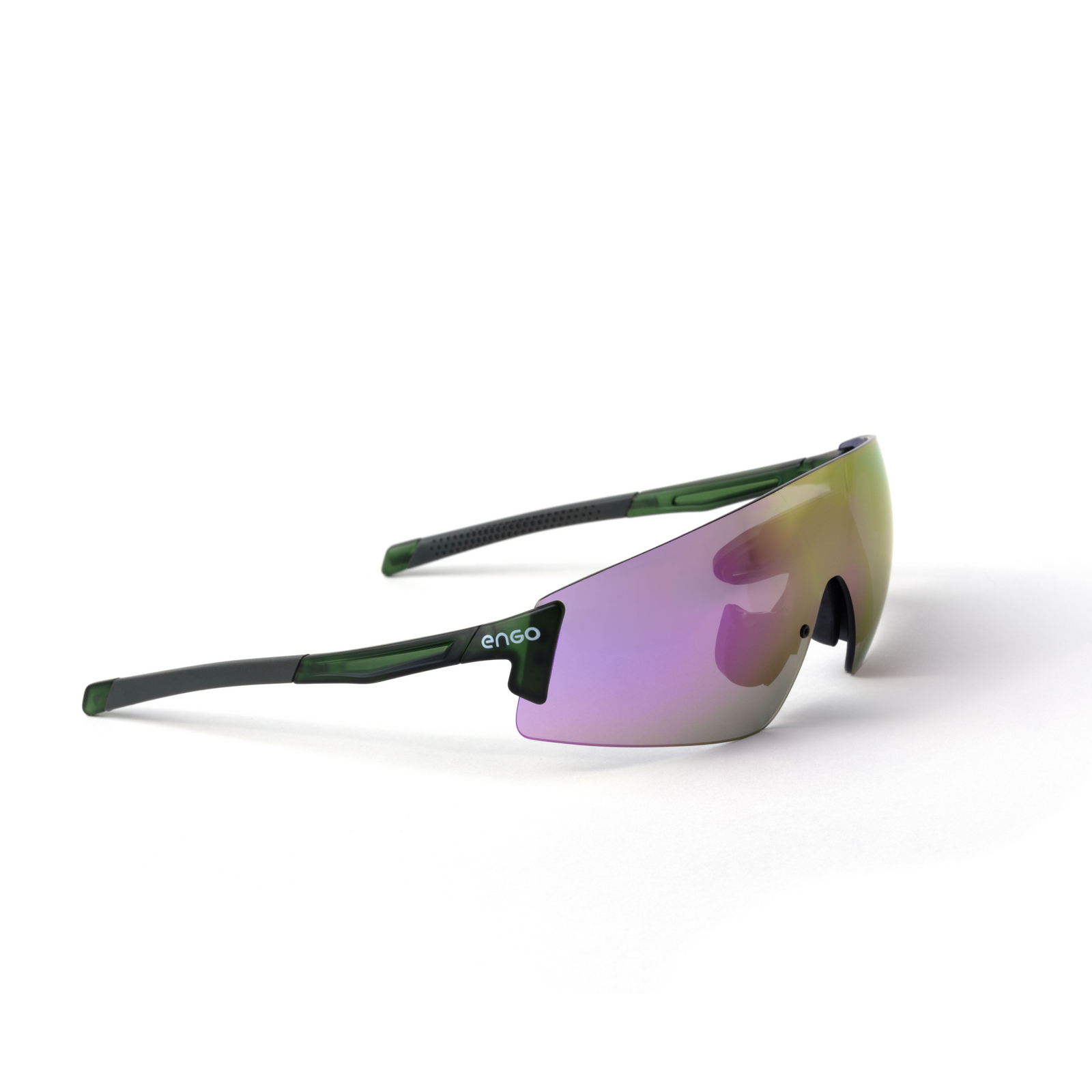
The engo3 uses fixed tinted lenses (category 3), perfect for very sunny conditions. The engo3 Photochromic features photochromic lenses that automatically adapt to light levels (cat. 0 to 3), making it ideal for changing light conditions.
Is engo3 compatible with Garmin?
Yes it is, with over 81+ models of Garmin devices, plus Apple Watch.
How is engo3 different from Meta Oakley Vanguard?
engo3 is a pure performance display built for serious runners and cyclists: a lightweight AR heads-up display (38.5g) that projects your stats (pace, heart rate, cadence, and more) right in your line of sight, with 20+ hours of battery life and no camera, music, or notifications to distract you.
The Oakley Meta Vanguard is a general-purpose smart glasses product with a built-in camera and Meta AI, giving you sport stats through voice commands or audio rather than a visual display, with about 9 hours of battery life. In short: engo3 keeps your eyes on the road and your data always visible, Vanguard is a multitasking device where sport is one feature among many.
How long does the engo3 battery last?
24+hours
Can I use engo3 for trail running or ultras?
Yes!
Does engo3 have a camera?
No, engo3 doesn't have a camera. It's built purely as a data display: no camera, no music, no notifications, just your real-time stats (pace, heart rate, cadence, etc.) projected in your field of view. That's a deliberate choice to keep it light (38.5g) and focused on performance rather than content capture.
What is the weight of engo3?
38.5 gr
Read more articles

Running After 60: What Golden-Age Runners Teach Us
Running isn't a young person's sport. Here is what happens to a runner's body with age, why staying active slows the decline, and how to keep running well after 60.

Preparing for a marathon also means planning your nutrition and hydration. Discover how to fuel your body, adapt your intake, and test your strategy during training so you can approach race day wit...
Not All Marathons Are Created Equal
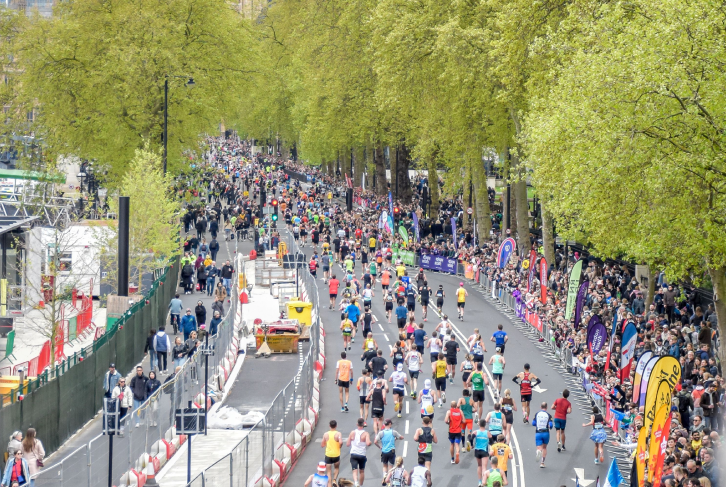
Every marathon is 26.2 miles, but elevation, weather, course shape and crowds make each one a completely different race. Here is how to compare them and choose your next one.

Compatible Devices
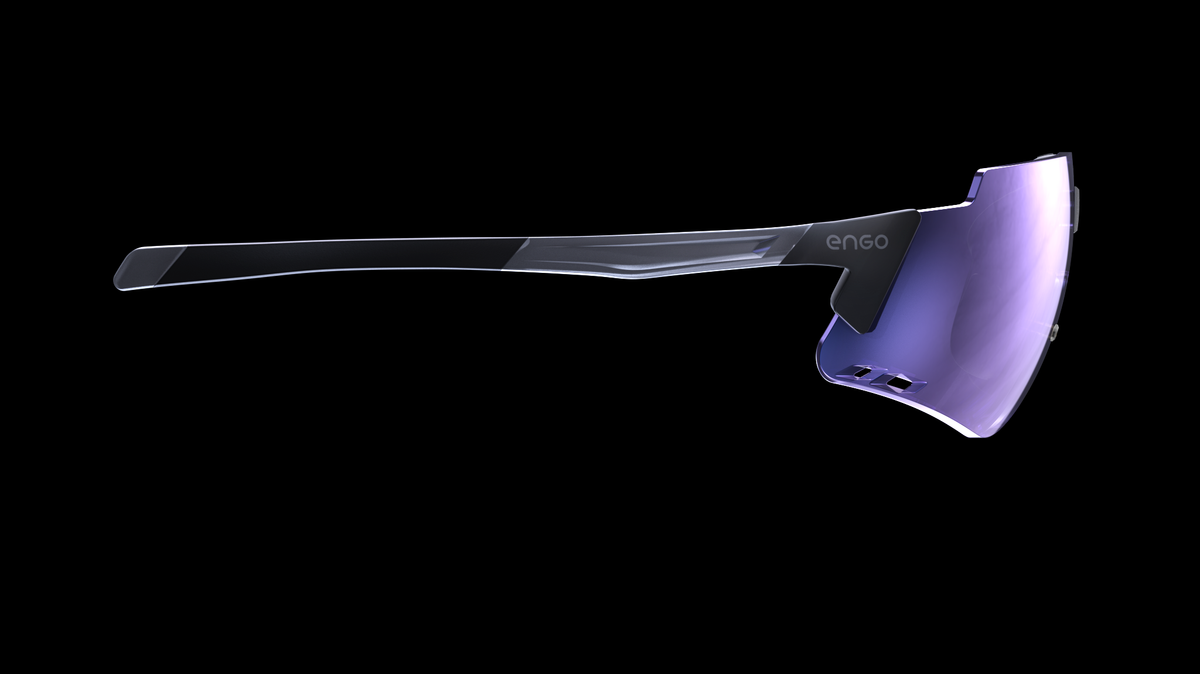
Works with most Garmin and Apple Watch. See the complete list of supported devices and third-party apps that work seamlessly with engo.
Check the compatibility of your device
Get Started in Minutes
Step-by-step instructions for pairing ENGO with your specific watch model. Clear, simple guidance to get you from unboxing to your first run in under 5 minutes.
Connect ENGO to your device
Returns
Train with engo for 30 days. If it doesn't transform your running, return it free with our prepaid label. Full refund, no questions asked, no restocking fees.
See Return Process
Questions? We're Here.
Browse our FAQ library, explore detailed setup guides, search our help database, or chat directly with our support team. Real help when you need it.
Visit Support Center