

Junk Miles are Making You Slow

Sommaire

Are you training for an upcoming gran fondo, gravel race or triathlon?
If so, then you want to get fitter and faster by following a training plan that strikes the ideal balance between endurance and intensity.
You want the highest average speed over the event’s distance, and you also want to unleash – and quickly recover from – the spikes of intensity required when climbing, responding to a rival’s surge or when passing slower riders.
Training to improve both long distance endurance and punchy speed is difficult, which is why so many cyclists find themselves accumulating “junk miles” and making no improvement at all.
What are “Junk Miles”?
What exactly are junk miles? Simply put, they’re miles without purpose. Characterized as feeling “kind of” hard, junk miles are usually logged when there’s no particular plan for the ride (which is fine if you’re just having fun, but useless if you’re training for an event).
These moderately hard rides can feel like you’re working, but in truth they’re in the “muddy middle”: too hard to serve as a recovery ride, but not hard enough to stimulate meaningful training adaptations.
After months of junk miles, it’s not uncommon for cyclists to find themselves fatigued and frustrated by their lack of improvement. From a training point-of-view, junk miles are a waste of your time and energy.
How to Avoid Junk Miles
How can you avoid junk miles? By being intentional. You can still ride long, or slowly, but do so with a plan and with a purpose.
Structured training programs are the antidote to junk miles. Regardless of methodology, all training plans call for precise distributions of effort designed to challenge and enhance the various energy systems that contribute to better performances.
However, even with a training plan, executing complex workouts that call for precise variations of effort can be difficult. It’s these changes of pace that deliver the benefits of the session but they can be challenging to manage (especially when deep in the pain locker!)
The ENGO Advantage
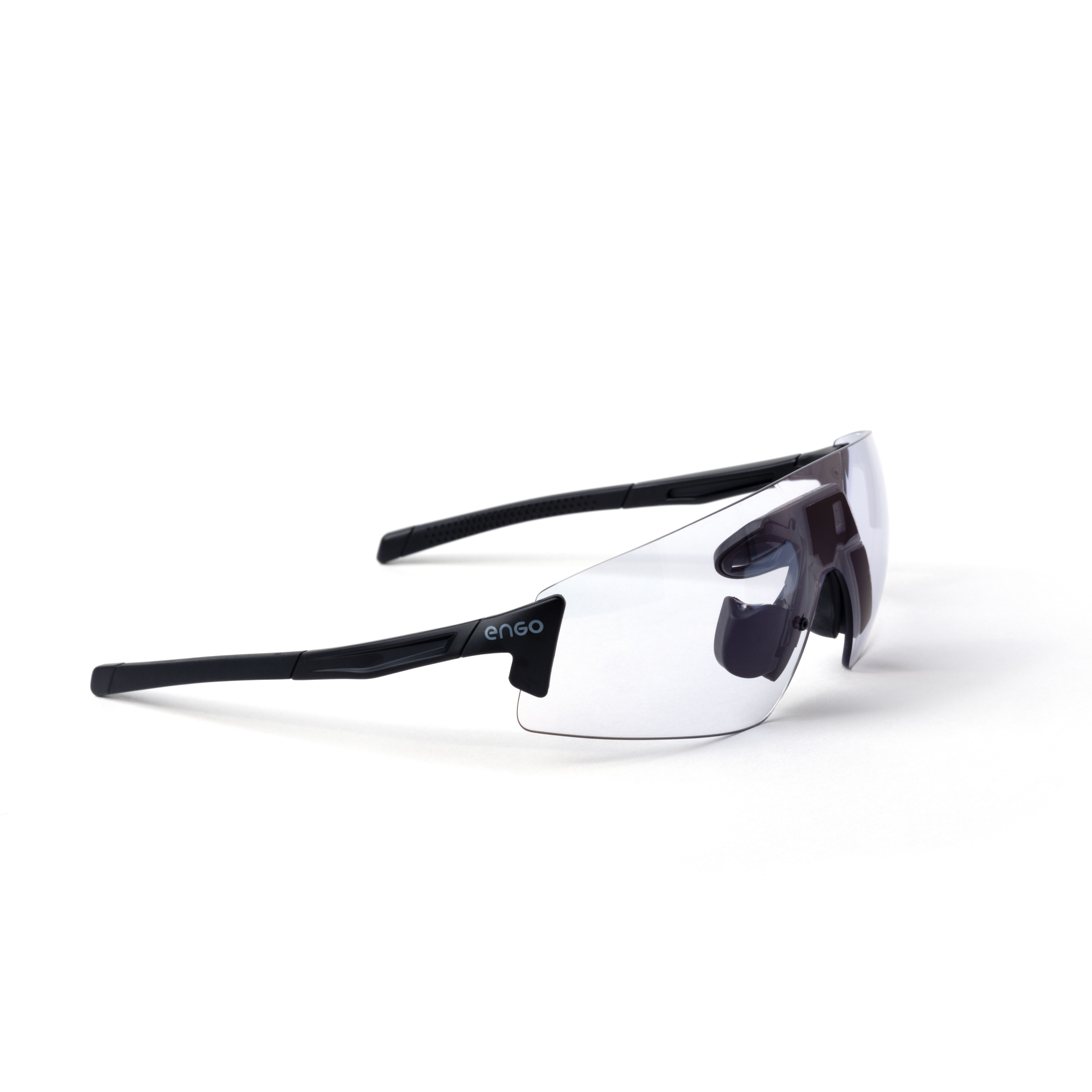
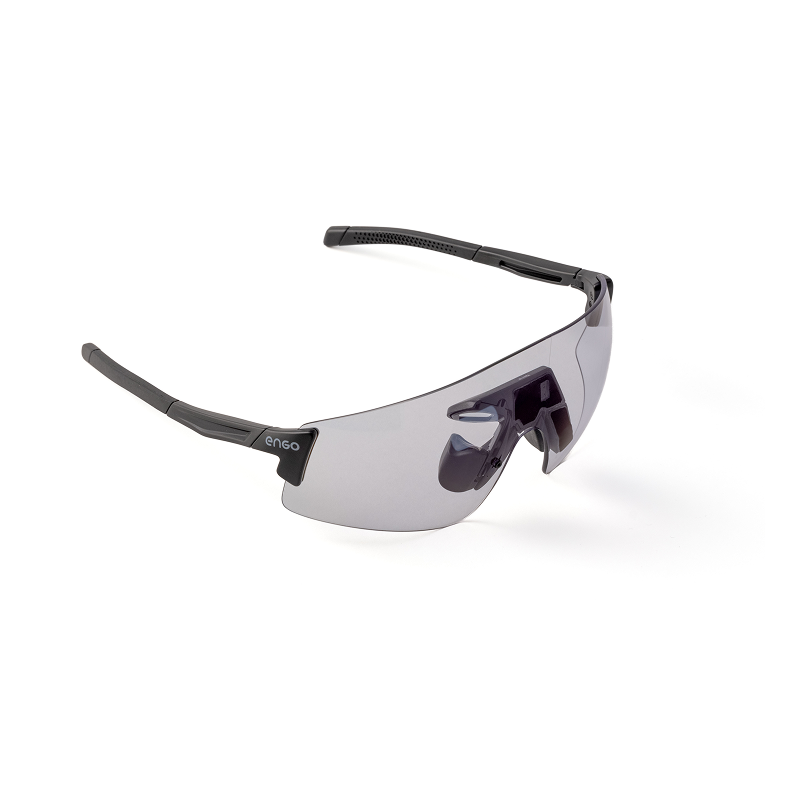
Wearing ENGO smartglasses empowers you to see your most important data in real-time, at a glance, without disrupting your aero position, losing concentration or taking your eyes off the road.
Many cyclists prefer to see their power, heartrate and cadence projected into their ENGO glasses. By monitoring these 3 datapoints in real time, they’re able to feather their efforts to obtain the highest ROI possible from their workouts.
Now, you can ensure that your recovery rides and rest intervals are suitably easy, and your threshold segments and VO2 max sprints are productively hard based on real-time awareness of actual effort and performance… as well as managing all of the other prescribed intensities in between.
Say goodbye to junk miles and train with purpose.
Discover engo3

Everything runners ask, answered.
Will I even notice a difference?
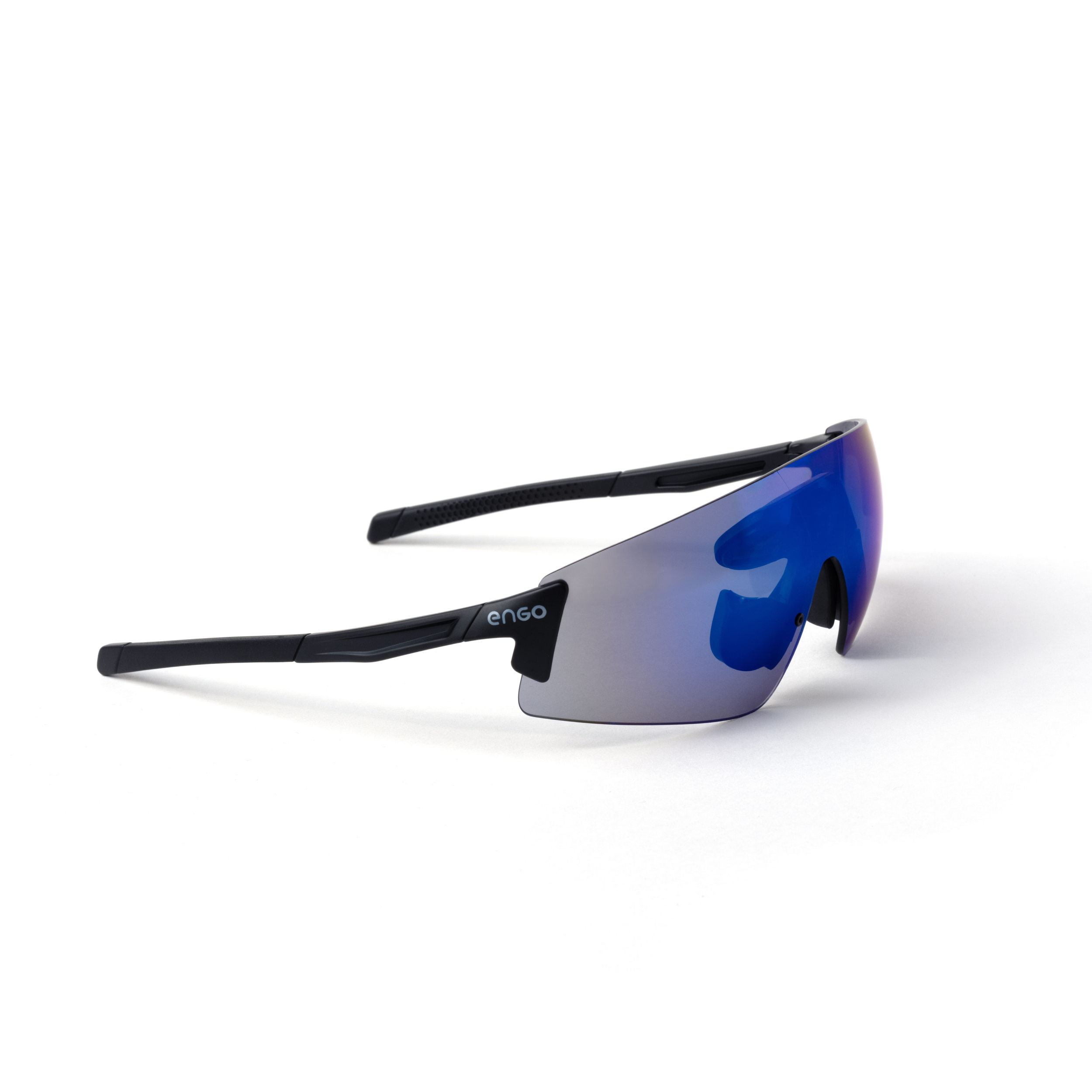
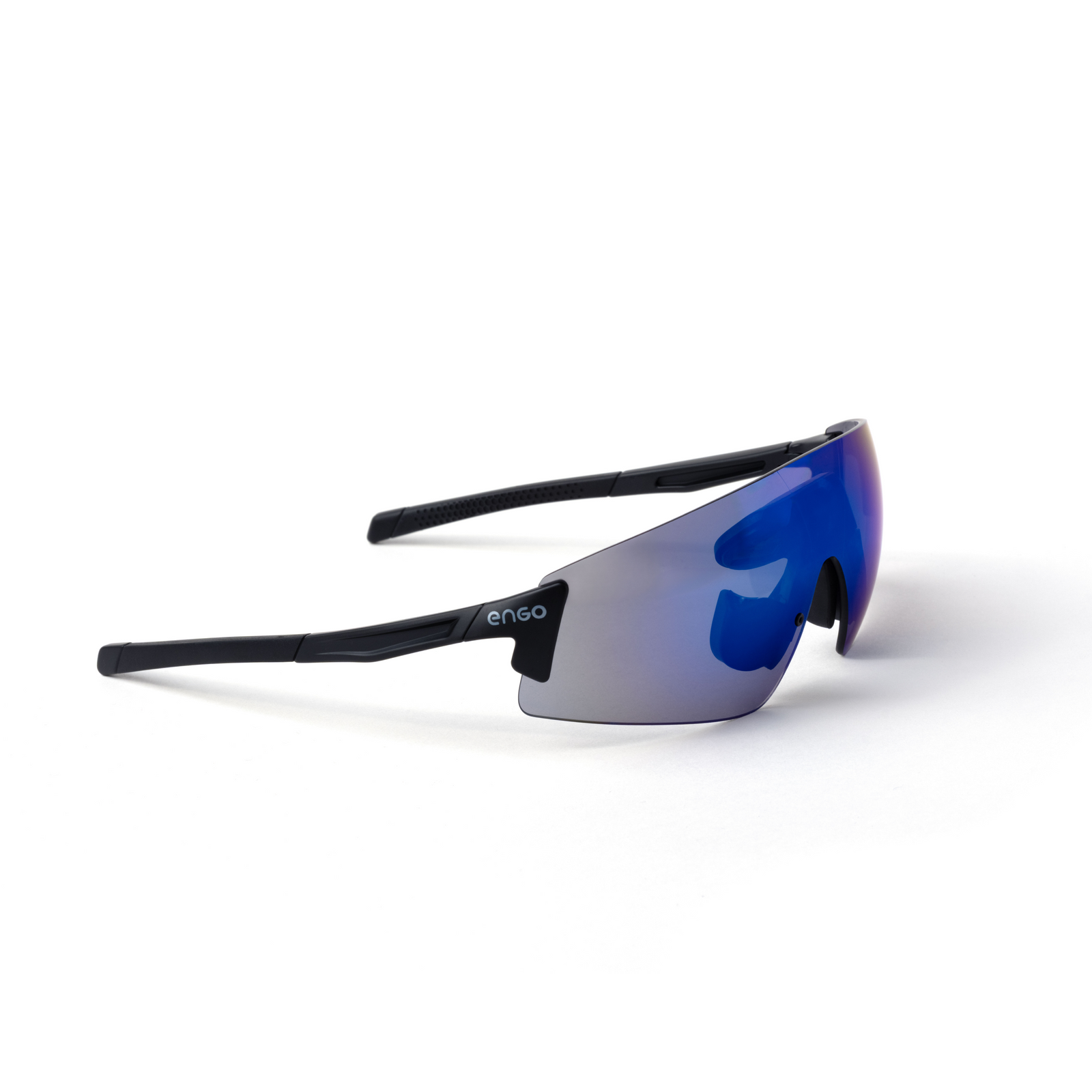
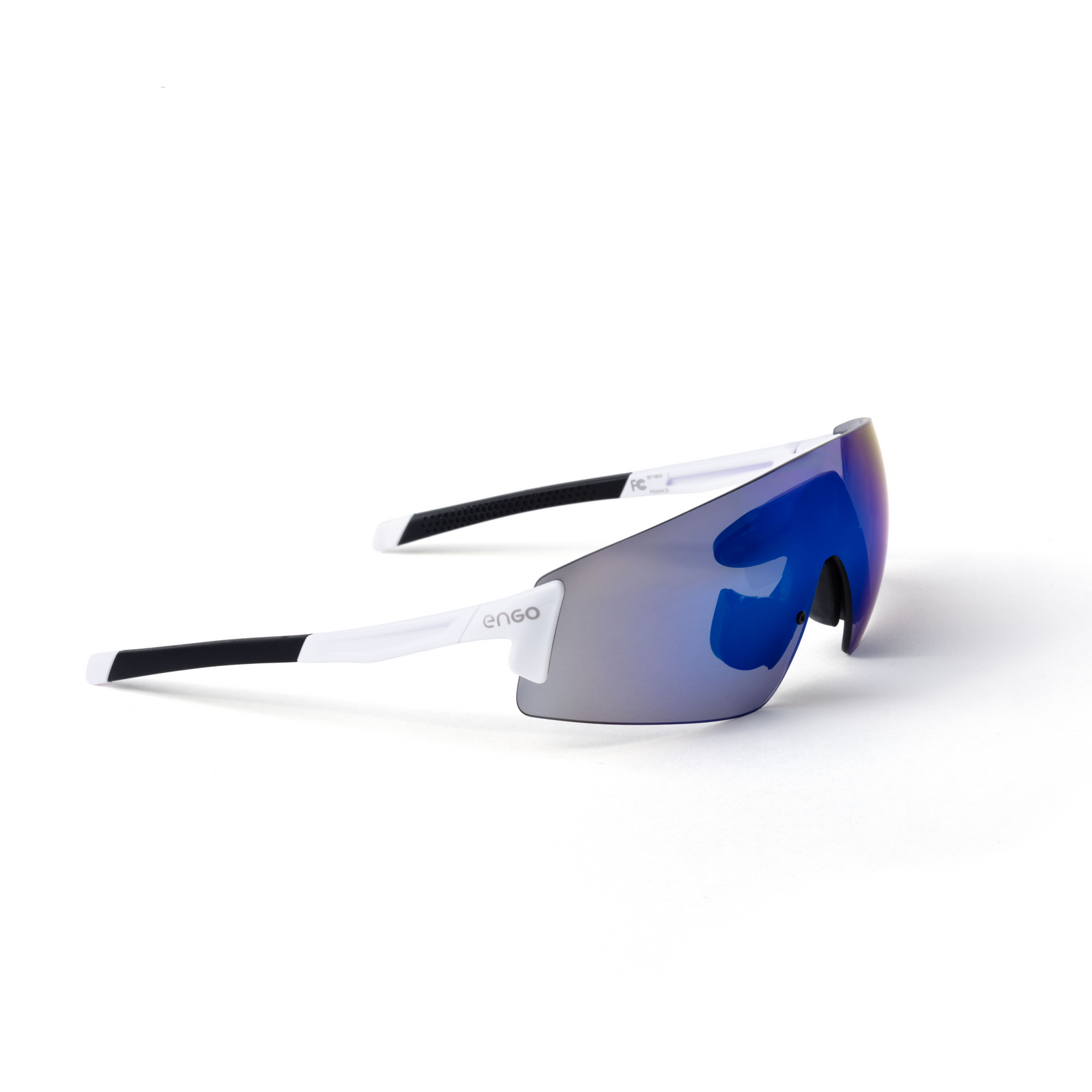
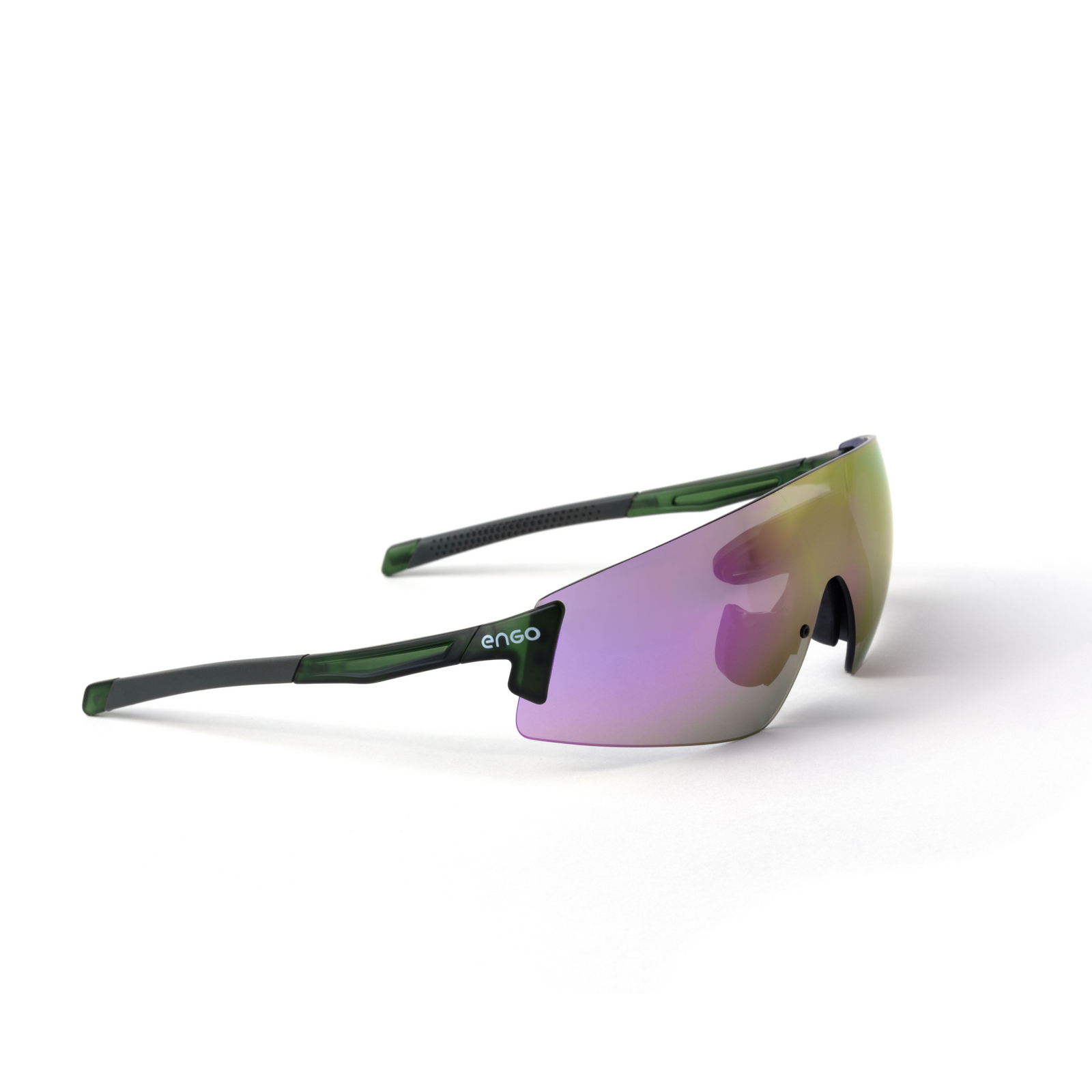
The engo3 uses fixed tinted lenses (category 3), perfect for very sunny conditions. The engo3 Photochromic features photochromic lenses that automatically adapt to light levels (cat. 0 to 3), making it ideal for changing light conditions.
Is engo3 compatible with Garmin?
Yes it is, with over 81+ models of Garmin devices, plus Apple Watch.
How is engo3 different from Meta Oakley Vanguard?
engo3 is a pure performance display built for serious runners and cyclists: a lightweight AR heads-up display (38.5g) that projects your stats (pace, heart rate, cadence, and more) right in your line of sight, with 20+ hours of battery life and no camera, music, or notifications to distract you.
The Oakley Meta Vanguard is a general-purpose smart glasses product with a built-in camera and Meta AI, giving you sport stats through voice commands or audio rather than a visual display, with about 9 hours of battery life. In short: engo3 keeps your eyes on the road and your data always visible, Vanguard is a multitasking device where sport is one feature among many.
How long does the engo3 battery last?
24+hours
Can I use engo3 for trail running or ultras?
Yes!
Does engo3 have a camera?
No, engo3 doesn't have a camera. It's built purely as a data display: no camera, no music, no notifications, just your real-time stats (pace, heart rate, cadence, etc.) projected in your field of view. That's a deliberate choice to keep it light (38.5g) and focused on performance rather than content capture.
What is the weight of engo3?
38.5 gr
Read more articles
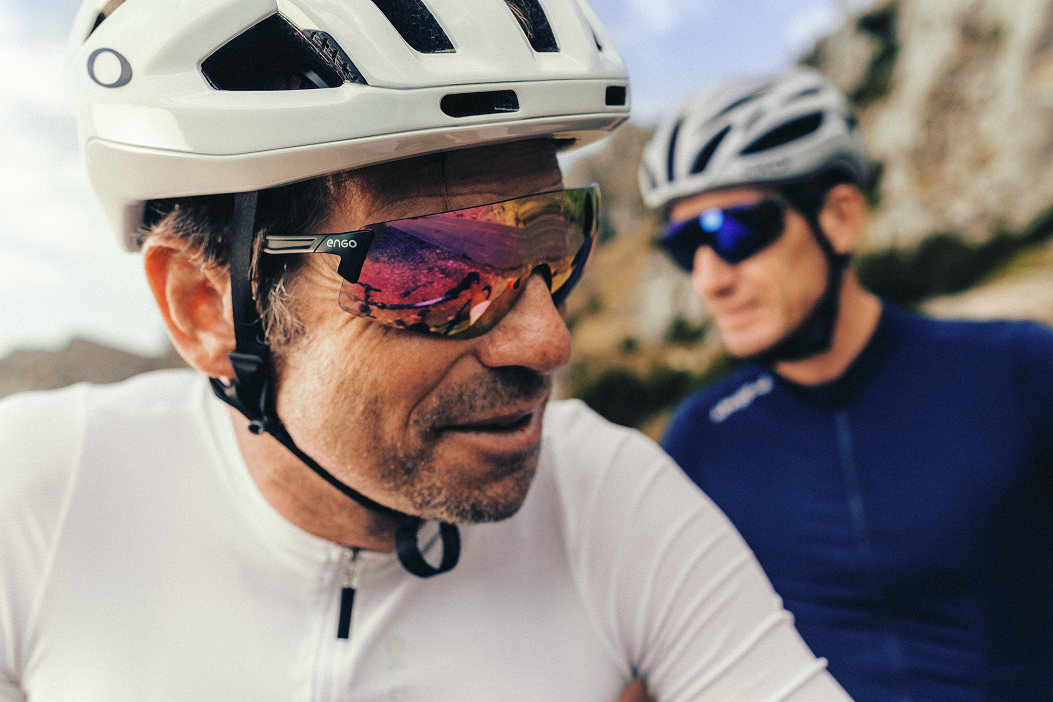
engo3 for cyclists: ride data without looking down
engo3 cyclist connected glasses put pace, power, varia radar and heart rate right in your line of sight, so cyclists never have to look down at a bike computer again.
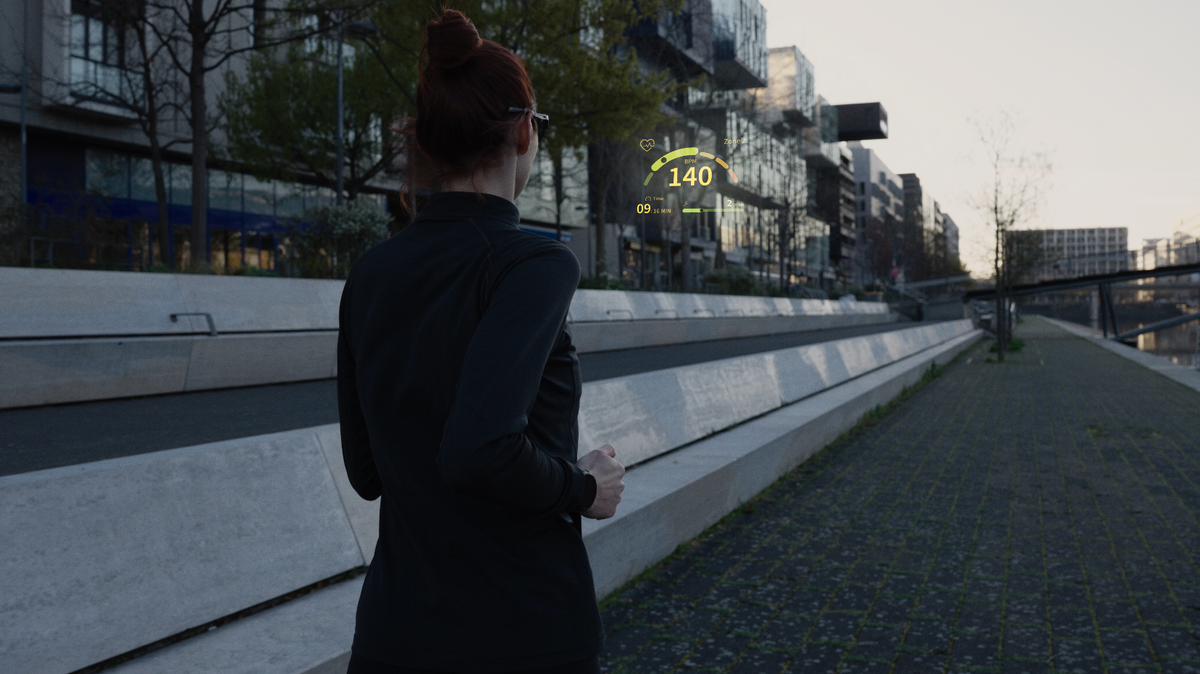
The Marathon Wall: Understanding and Overcoming This Notorious Challenge
The marathon wall isn't a myth, it's a physiological reality that typically strikes between kilometer 30 and 35, when glycogen stores run out and the body is forced to burn fat, a far less efficien...
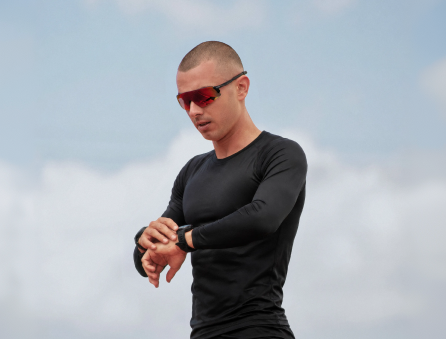
engo3 Kenya: The Limited Edition with Amadeus Clements
Iten, Kenya has produced more world-class marathoners than most countries combined. It's also where the engo3 Kenya was born, not in a design studio, but on the training log of an engo athlete who ...
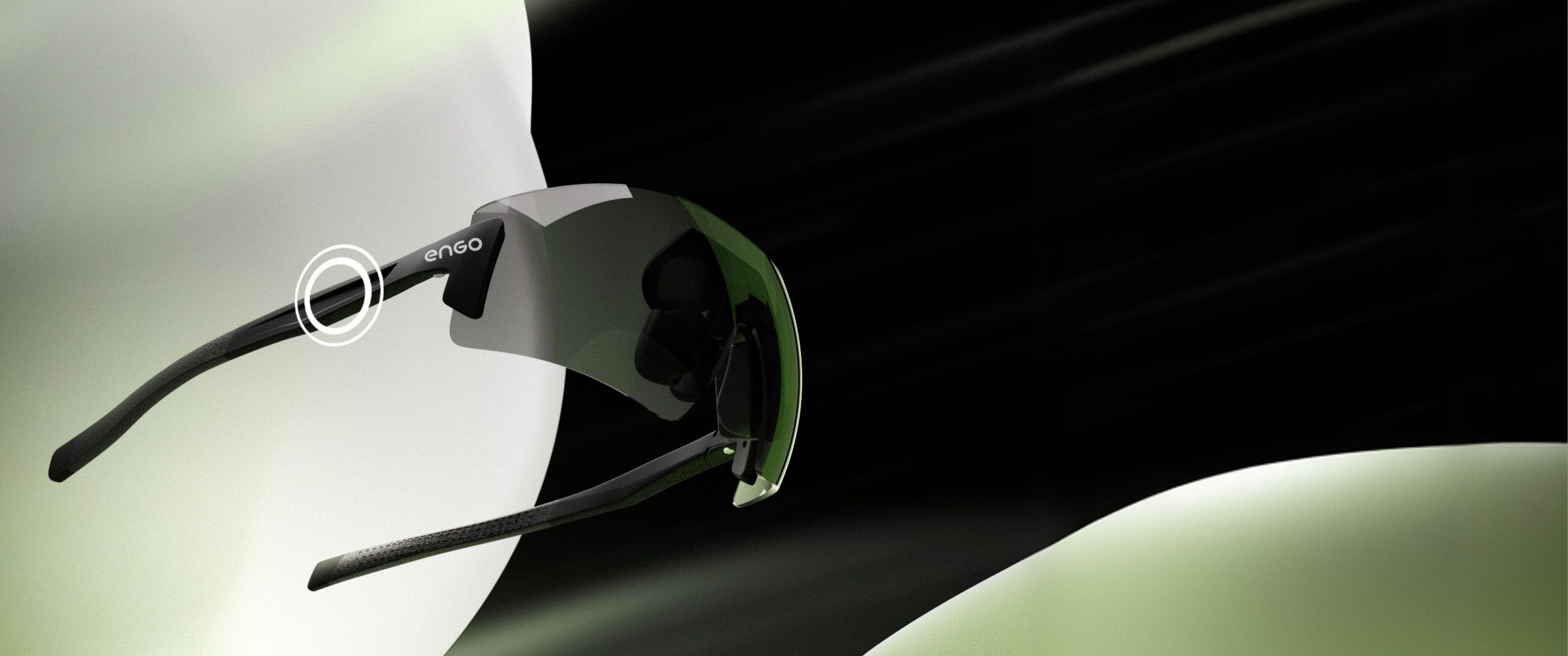

Compatible Devices
Works with most Garmin, Apple Watch, or Suuntos. See the complete list of supported devices and third-party apps that work seamlessly with ENGO.
Check the compatibility of your device
ENGO Care
Your Worry-Free Protection. Scratched lenses? Broken frame? Stolen gear? For one year, we'll replace your ENGO—no hassle, no extra cost. Train hard without worry.
Learn About ENGO Care
Get Started in Minutes
Step-by-step instructions for pairing ENGO with your specific watch model. Clear, simple guidance to get you from unboxing to your first run in under 5 minutes.
Connect ENGO to your device
Returns
Train with ENGO for a full month. If it doesn't transform your running, return it free with our prepaid label. Full refund, no questions asked, no restocking fees.
See Return Process
Questions? We're Here.
Browse our FAQ library, explore detailed setup guides, search our help database, or chat directly with our support team. Real help when you need it.
Visit Support Center